01
Animate a portrait with subtle movement
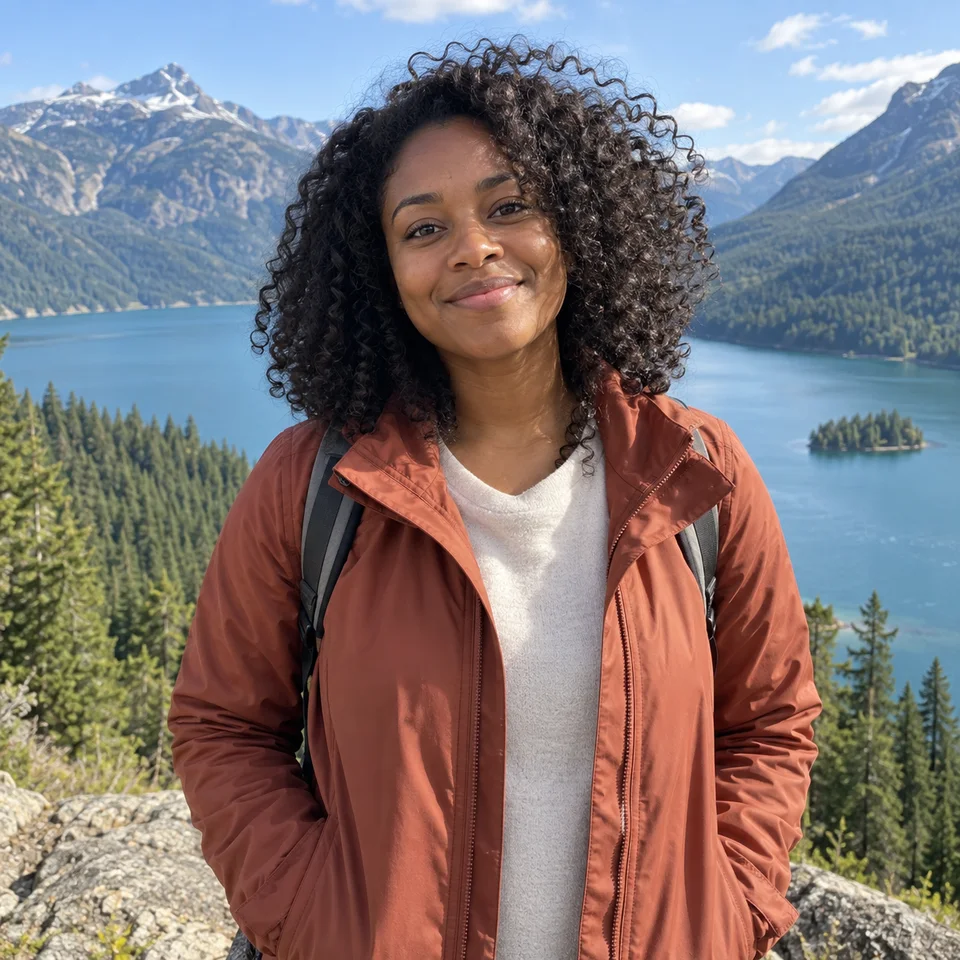
A convincing portrait clip can be almost still. Begin with breathing or one blink; adding a smile, a turn and camera movement at once makes it harder to tell why the face changes.
↗
Plan movement for portraits, pets, products and illustrated stories. Compare camera choices, prepare references and open a ready-to-edit starting prompt.
15 topics
A convincing portrait clip can be almost still. Begin with breathing or one blink; adding a smile, a turn and camera movement at once makes it harder to tell why the face changes.
↗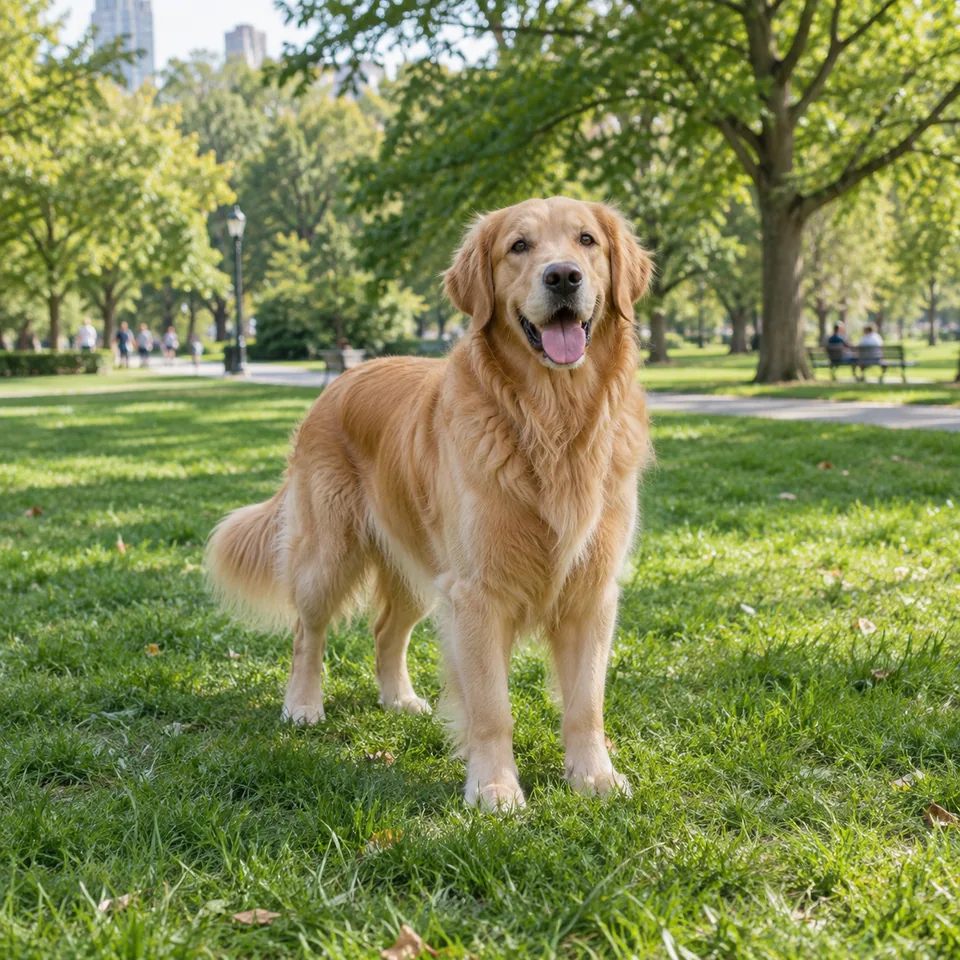
A small ear twitch or curious head tilt is a useful first shot. Walking and jumping require hidden legs and changing body angles; a seated reference is better suited to a seated action.
↗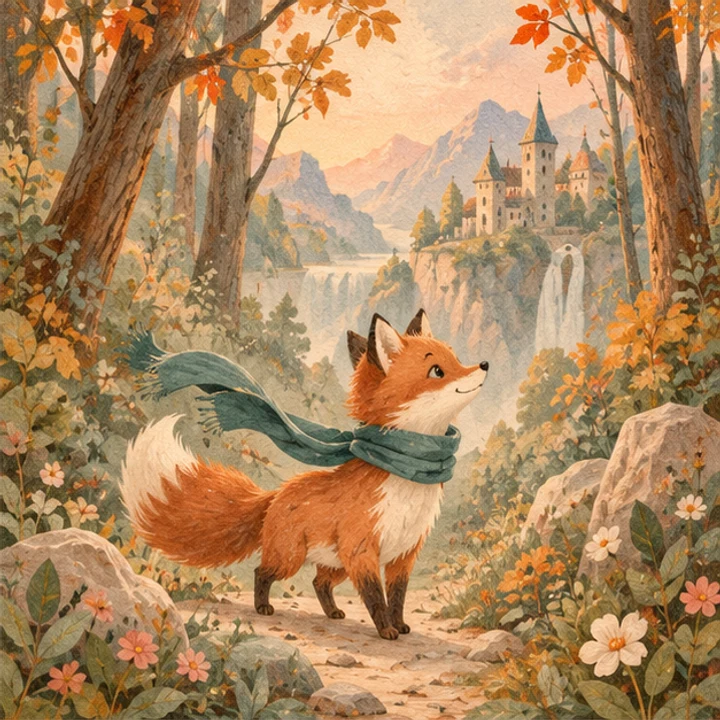
Choose an action the drawing can support: looking toward a sound, lifting a hand or taking one visible step. A short readable gesture usually communicates more than a list of unrelated events.
↗
A landscape does not need a dramatic fly-through to feel alive. Choose one environmental movement and let the horizon and major landforms anchor the shot.
↗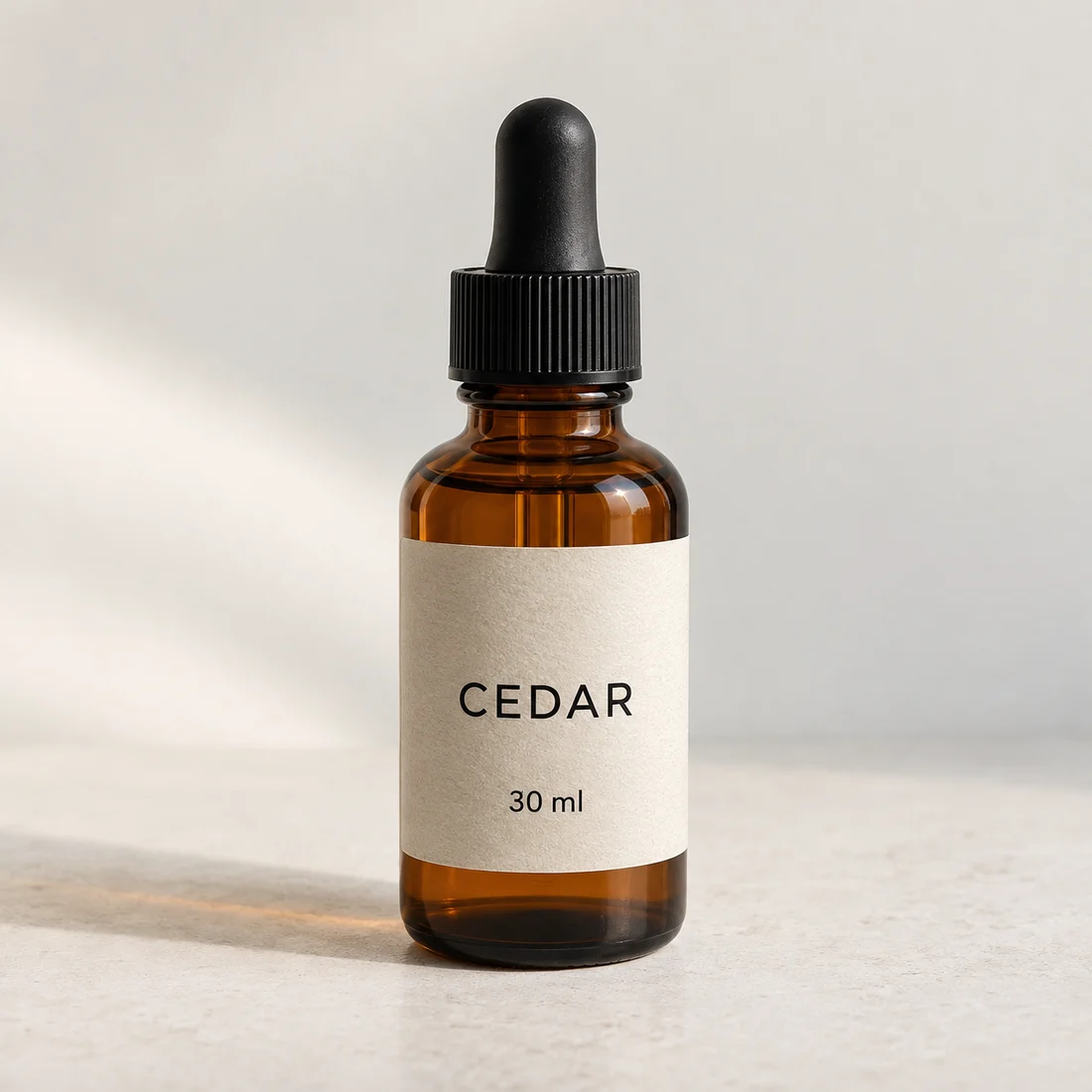
A product clip should help someone inspect the item. Start with a gentle change in light or a small camera move, not a full rotation that invents an unseen back.
↗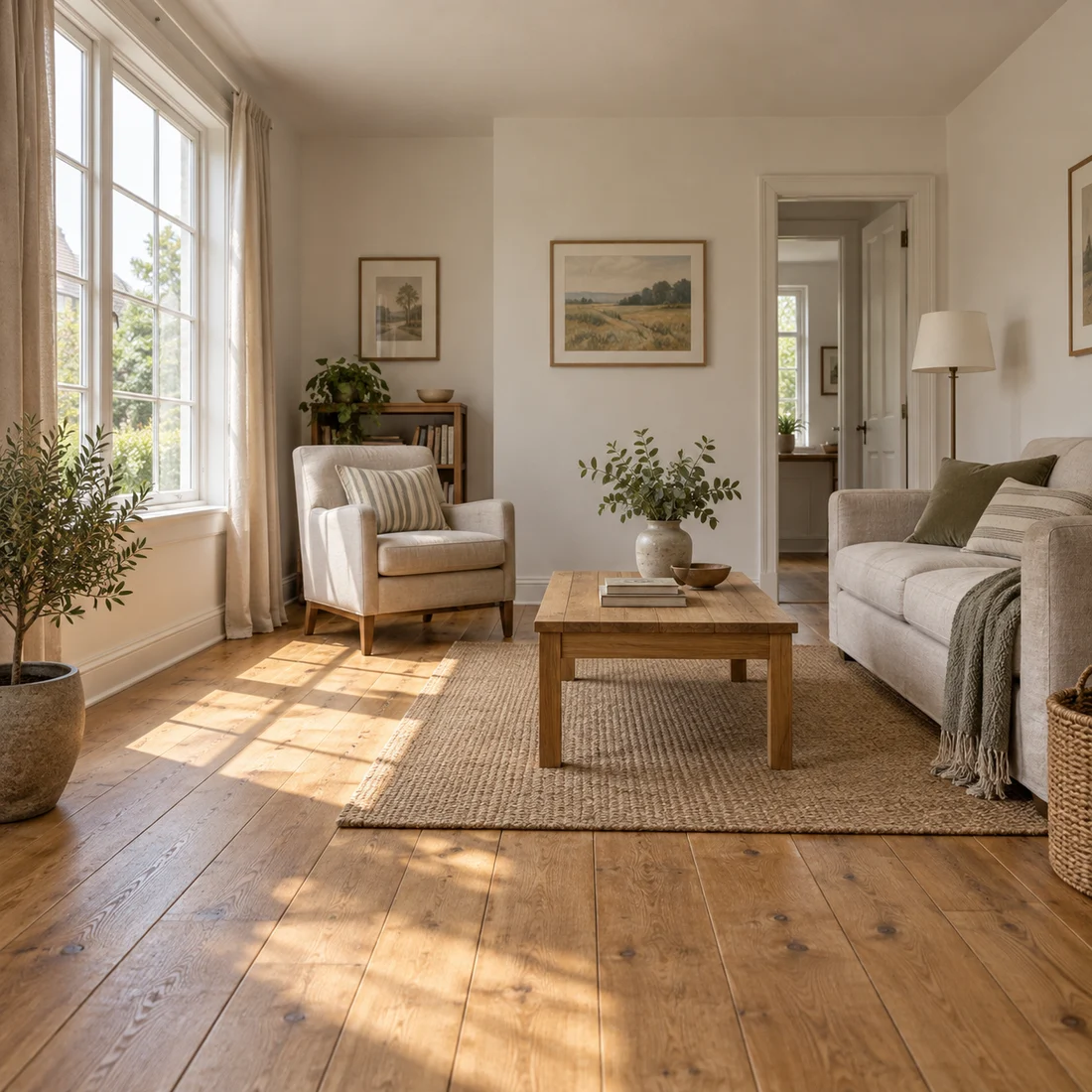
A small push-in can suggest depth without pretending to be a complete property tour. A single photograph cannot show what sits behind furniture or beyond the doorway.
↗
Steam can convey warmth without cutting, pouring or adding hands. A bowl with a clear rim and space above it is a simpler starting point than a crowded dining scene.
↗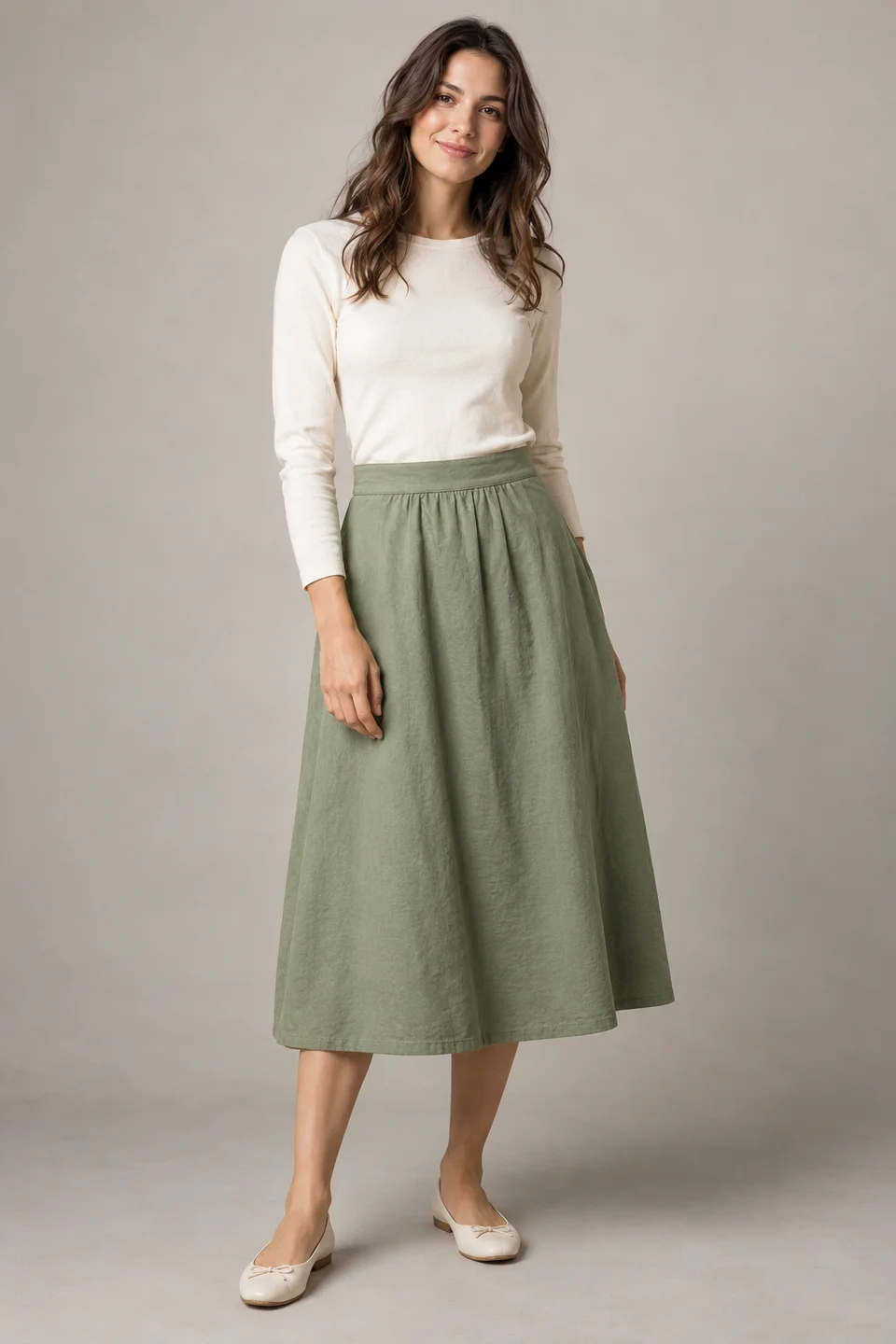
For a first fashion clip, let the hem move while the model stays planted. A full turn reveals seams, closures and fabric behavior that a front photograph cannot verify.
↗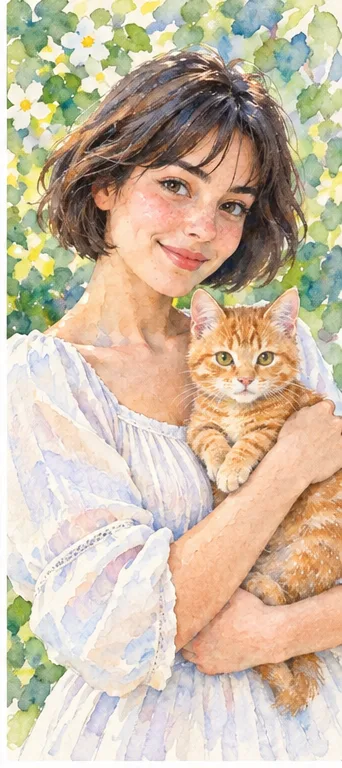
An animated painting works when the movement belongs to the image. Pick a small living detail, such as hair or foliage, and keep the paper surface and composition quiet.
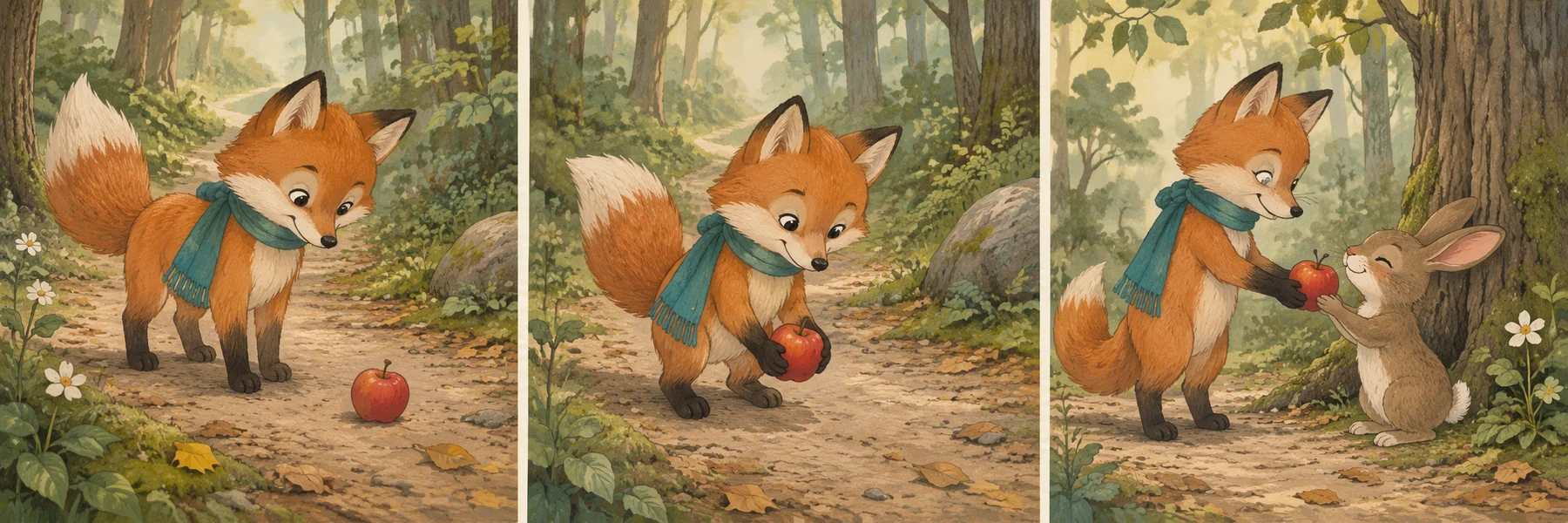
↗The reference already communicates much of the appearance. Use the prompt to explain what changes, what stays still and how the camera observes it. A longer list of adjectives rarely resolves an unclear action.
↗
More references can add useful evidence, but conflicting faces, clothes or lighting can also muddy the result. Start with the minimum set that explains one scene.
↗A portrait setting changes the canvas, not the placement of every detail. Plan where the face, moving hands and later captions will sit before opening the generator.
↗Consistency is a review task as much as a prompting task. Identify a few unmistakable features before generation, then check them during movement rather than only in the thumbnail.
↗Flicker, shape drift and a sudden cut need different fixes. First name the failure and find when it starts. Regenerating the same overloaded prompt can repeat the same problem.
↗