
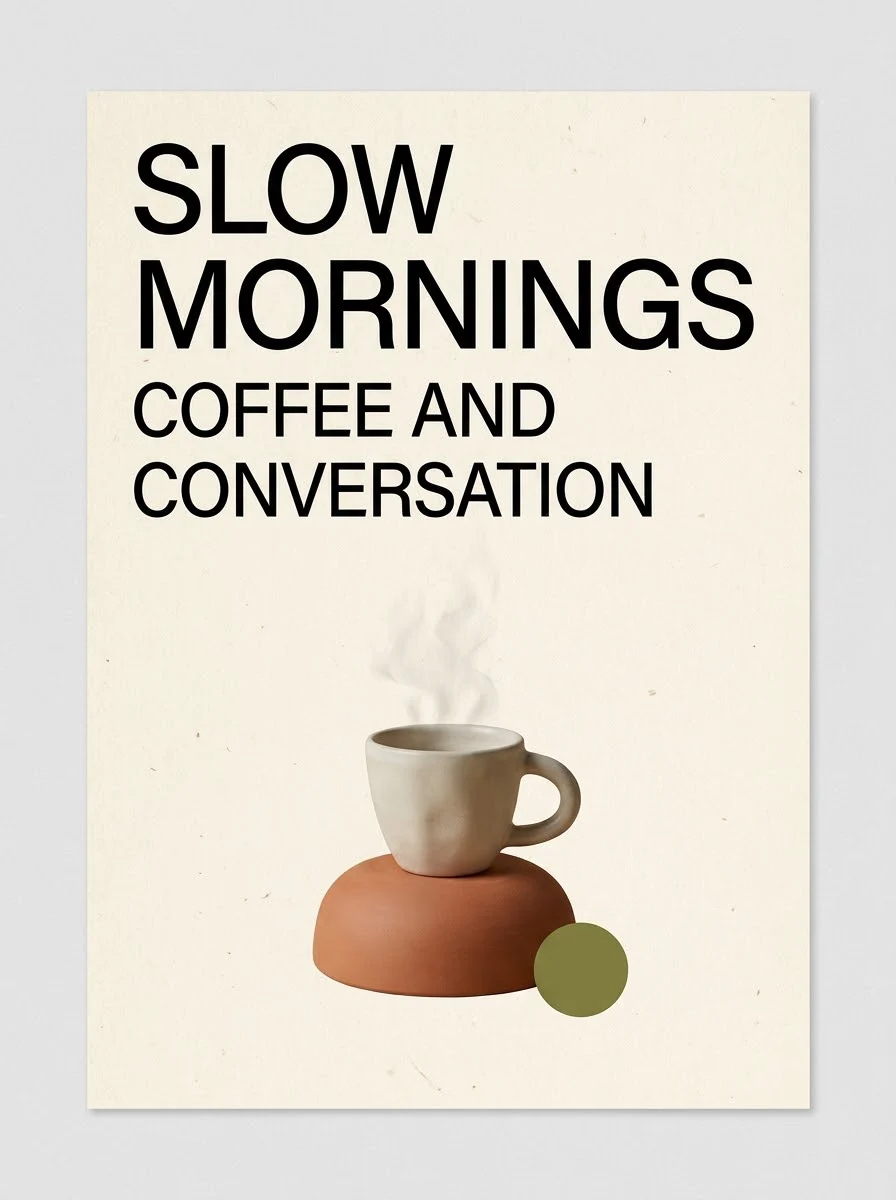

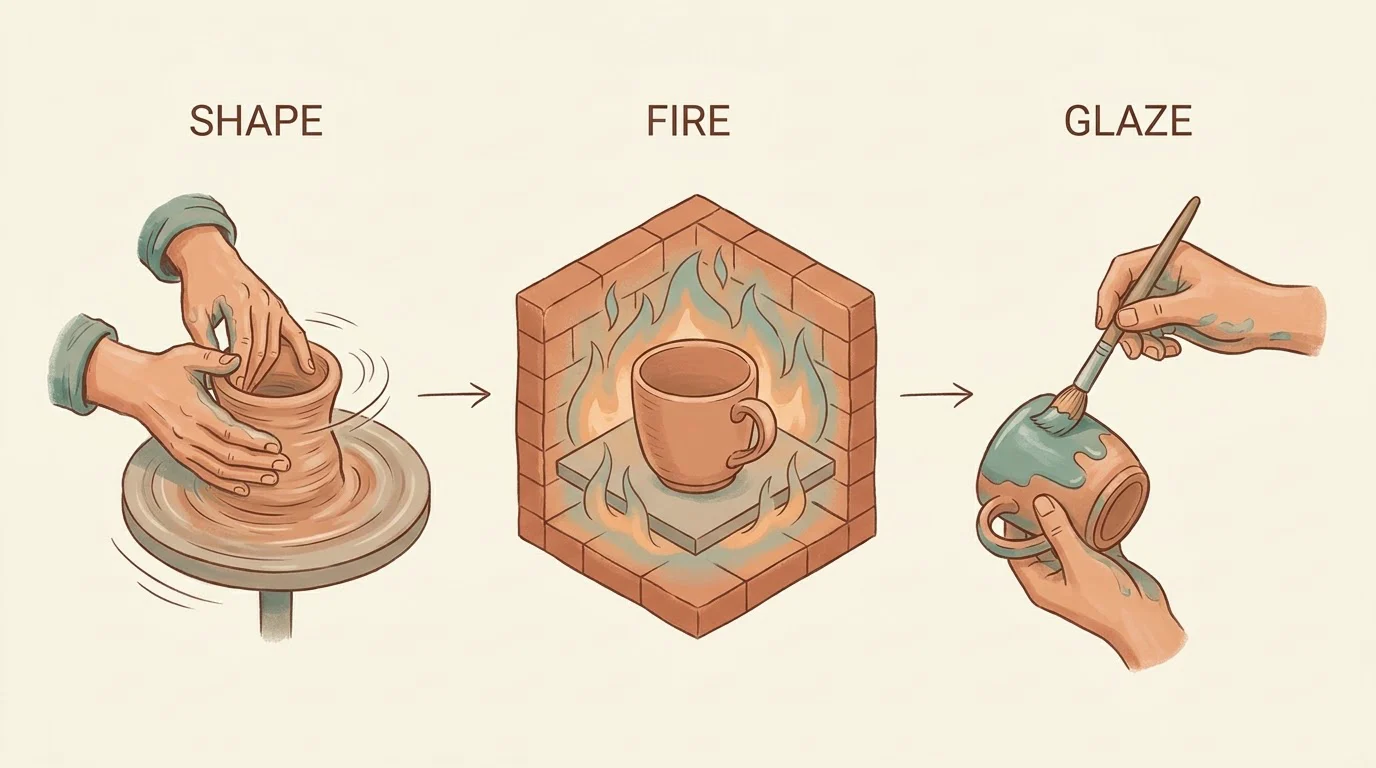
The premium reasoning-oriented choice for complex visual briefs: information hierarchy, multilingual design and closely directed image composition.
Where it shines
Information arranged visually
Useful for explaining a supplied process, turning notes into a diagram or laying out several related panels. Give it the actual labels, sequence and relationships rather than asking it to invent the underlying facts.
Typography and localization
Its text and multilingual capabilities suit a campaign with headline, subtitle and supporting labels, or a localized version of a design. Specify wording and visual hierarchy together.
Detailed art direction
Describe camera position, depth of field, material, color and lighting separately. This is a relevant candidate when the brief is already decided and the challenge is a coherent, controlled final visual.
Where it is less suitable
Pro does not mean universally better. Nano Banana 2.1 is the newer general-purpose efficiency route; a simple background concept may not need Pro's specialization. Small text, crowded faces and elaborate blending remain difficult. A factual-looking diagram is still not a verified source of facts.
On this workspace
The site provides 1K–4K and standard ratios, not 1:8/8:1. It accepts four references, not Google's full reference allowance, and has no grounding switch, brush mask or editable text layers.
Choose another model when…
- Nano Banana 2.1 — You want broad concept exploration, a product series or an extreme banner ratio.
- GPT Image 2.5 — You want to change one element of an existing picture while defining preservation constraints.
A brief that plays to its strengths
For a diagram, supply approved content first: three panels, exact labels, left-to-right order and connecting arrows. For a poster, separate title, subtitle and image area; do not hide a long paragraph inside a style description.