Heatwave Hairstyles

Compare breathable hairstyles that keep hair off the neck and remain comfortable in extreme heat.

Find your hairstyle
Heatwave visitor resting in shade with a high braided bun that keeps the neck clear
A scene-specific reference for comparing directions; real results depend on texture, length and styling.
30-second decision brief

First decide whether the style really fits a heatwave

Direct answer: Compare breathable hairstyles that keep hair off the neck and remain comfortable in extreme heat. A useful choice for a heatwave must account for temperature, moisture, wind, headwear and recovery after exposure and first satisfy “Respond to the actual moisture, wind or temperature”; a look that works only in a reference image should not make the shortlist.

Best for

People who need both “Respond to the actual moisture, wind or temperature” and “Avoid a finish that depends on fragile smoothness” for a heatwave.

Preparation time

About 5–20 minutes; remove unnecessary steps for your real length, texture and schedule

Expected hold

Aim to complete the occasion without frequent adjustments

Useful tools

A comb, one light styling product and simple securing accessories for longer hair

Three decision criteria

  1. Respond to the actual moisture, wind or temperature
  2. Avoid a finish that depends on fragile smoothness
  3. Allow a quick recovery with the tools available

Common mistakes to avoid

  • Choosing from a close-up reference without checking the forecast for moisture, wind and temperature plus any collar, scarf or hat.
  • Testing only the static appearance instead of the style outdoors for long enough to reveal frizz, flattening, tangling or static.
  • Adding product or tension before simplifying the plan for recovering the structure without layering on heavy product.

Preparation plan

  1. 1

    Make the forecast for moisture, wind and temperature plus any collar, scarf or hat a selection condition before deciding on the silhouette and anchor placement.

  2. 2

    Walk through the real sequence of a heatwave, paying particular attention to the style outdoors for long enough to reveal frizz, flattening, tangling or static.

  3. 3

    Carry only what is needed for recovering the structure without layering on heavy product; choose a simpler direction if it needs repeated rebuilding.

Explore the actual hairstyles

Check the occasion's most important requirement first, then compare comfort, hold and upkeep.

AI hairstyle illustrations, not customer photos. Try-on results vary with your photo and hair.
Buzz Cut — Short lengths make the crown texture, hairline and side profile more visible.

Buzz Cut

Short lengths make the crown texture, hairline and side profile more visible.

Check these requirements
Respond to the actual moisture, wind or temperature · Avoid a finish that depends on fragile smoothness
Why it fits
Very short, even length stays out of the sightline and makes washing and resetting straightforward. In the weather conditions of a heatwave, this structure reduces uncontrolled movement and supports “Respond to the actual moisture, wind or temperature.” Confirm “Avoid a finish that depends on fragile smoothness” in realistic moisture, wind or temperature.
Best for
People comfortable with very short length, visible scalp and regular clipper maintenance
Watch out for
The reference shows a direction only; adapt the hold to real texture, density and setting rules. Very short length exposes more scalp, making sun, temperature and trim regrowth more noticeable.
Try this hairstyle
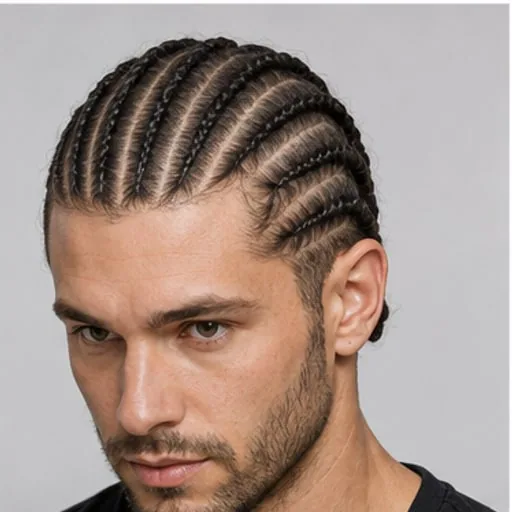
Cornrows — Parting, braid direction and thickness define the outline and face framing.

Cornrows

Parting, braid direction and thickness define the outline and face framing.

Check these requirements
Avoid a finish that depends on fragile smoothness · Allow a quick recovery with the tools available
Why it fits
Close-to-scalp braided rows limit strand movement and create a stable outline. In the weather conditions of a heatwave, this structure reduces uncontrolled movement and supports “Avoid a finish that depends on fragile smoothness.” Confirm “Allow a quick recovery with the tools available” in realistic moisture, wind or temperature.
Best for
Textures suited to close braiding, with careful attention to section tension and scalp comfort
Watch out for
The reference shows a direction only; adapt the hold to real texture, density and setting rules. Close braiding should not rely on excessive tension; loosen it if pulling persists.
Try this hairstyle
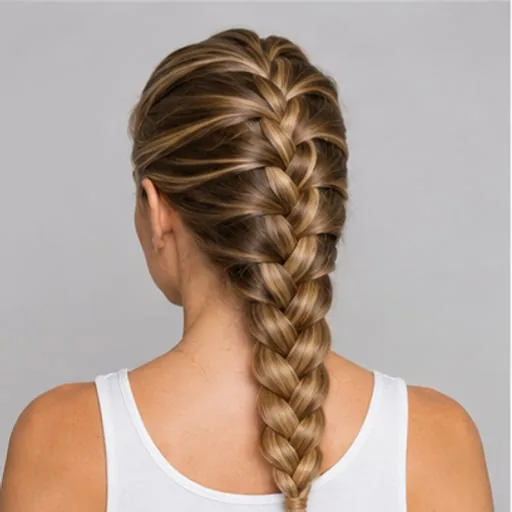
French Braid — Parting, braid direction and thickness define the outline and face framing.

French Braid

Parting, braid direction and thickness define the outline and face framing.

Check these requirements
Allow a quick recovery with the tools available · Respond to the actual moisture, wind or temperature
Why it fits
A French braid adds outer sections into a centered path for close, continuous control. In the weather conditions of a heatwave, this structure reduces uncontrolled movement and supports “Allow a quick recovery with the tools available.” Confirm “Respond to the actual moisture, wind or temperature” in realistic moisture, wind or temperature.
Best for
Hair that can be added section by section into a close centered braid
Watch out for
The reference shows a direction only; adapt the hold to real texture, density and setting rules. The transition to a free braid near the nape can loosen first, so check that junction separately.
Try this hairstyle
Pixie Cut — Short lengths make the crown texture, hairline and side profile more visible.

Pixie Cut

Short lengths make the crown texture, hairline and side profile more visible.

Check these requirements
Respond to the actual moisture, wind or temperature · Avoid a finish that depends on fragile smoothness
Why it fits
The short perimeter opens the face and ears while retaining controlled texture on top. In the weather conditions of a heatwave, this structure reduces uncontrolled movement and supports “Respond to the actual moisture, wind or temperature.” Confirm “Avoid a finish that depends on fragile smoothness” in realistic moisture, wind or temperature.
Best for
People who want the ears and face open and can schedule regular short-shape trims
Watch out for
The reference shows a direction only; adapt the hold to real texture, density and setting rules. Short layers depend on the cut, cowlicks and hairline, which a reference image cannot predict.
Try this hairstyle
Crew Cut — Short lengths make the crown texture, hairline and side profile more visible.

Crew Cut

Short lengths make the crown texture, hairline and side profile more visible.

Check these requirements
Avoid a finish that depends on fragile smoothness · Allow a quick recovery with the tools available
Why it fits
Short sides with a slightly longer top keep a clear outline with a small amount of controllable texture. In the weather conditions of a heatwave, this structure reduces uncontrolled movement and supports “Avoid a finish that depends on fragile smoothness.” Confirm “Allow a quick recovery with the tools available” in realistic moisture, wind or temperature.
Best for
People who want short sides, modest top length and a quick morning routine
Watch out for
The reference shows a direction only; adapt the hold to real texture, density and setting rules. The outline changes quickly as the top grows, so it needs more shaping than an even buzz cut.
Try this hairstyle
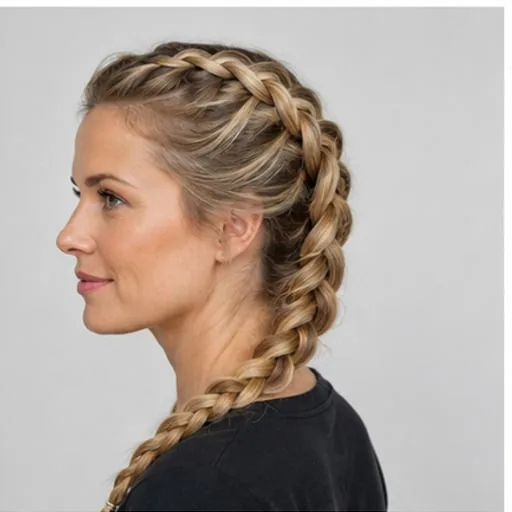
Dutch Braid — Parting, braid direction and thickness define the outline and face framing.

Dutch Braid

Parting, braid direction and thickness define the outline and face framing.

Check these requirements
Allow a quick recovery with the tools available · Respond to the actual moisture, wind or temperature
Why it fits
A Dutch braid raises the woven structure, making section control and looseness easier to inspect. In the weather conditions of a heatwave, this structure reduces uncontrolled movement and supports “Allow a quick recovery with the tools available.” Confirm “Respond to the actual moisture, wind or temperature” in realistic moisture, wind or temperature.
Best for
People who want a visible raised braid and can control tension section by section
Watch out for
The reference shows a direction only; adapt the hold to real texture, density and setting rules. The raised weave is more exposed to friction, so check contact with collars, headrests or hats.
Try this hairstyle
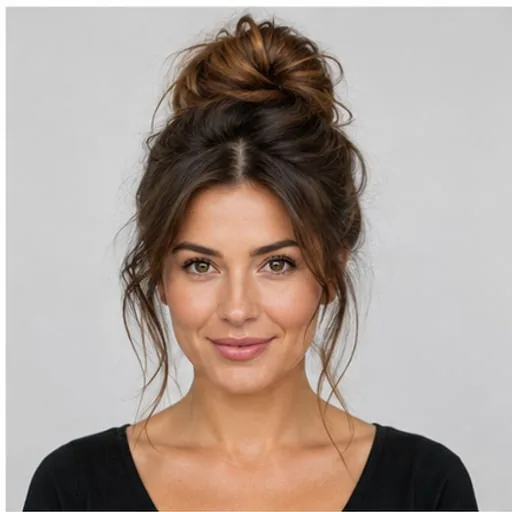
Messy Bun — Hair is gathered up or back; compare crown volume, placement and loose face-framing pieces.

Messy Bun

Hair is gathered up or back; compare crown volume, placement and loose face-framing pieces.

Check these requirements
Respond to the actual moisture, wind or temperature · Avoid a finish that depends on fragile smoothness
Why it fits
An anchored loose bun contains most of the length while allowing controlled natural texture. In the weather conditions of a heatwave, this structure reduces uncontrolled movement and supports “Respond to the actual moisture, wind or temperature.” Confirm “Avoid a finish that depends on fragile smoothness” in realistic moisture, wind or temperature.
Best for
People who want controlled softness and can pin loose face-framing pieces
Watch out for
The reference shows a direction only; adapt the hold to real texture, density and setting rules. Softness still needs hidden anchors or wind and movement will release loose pieces.
Try this hairstyle
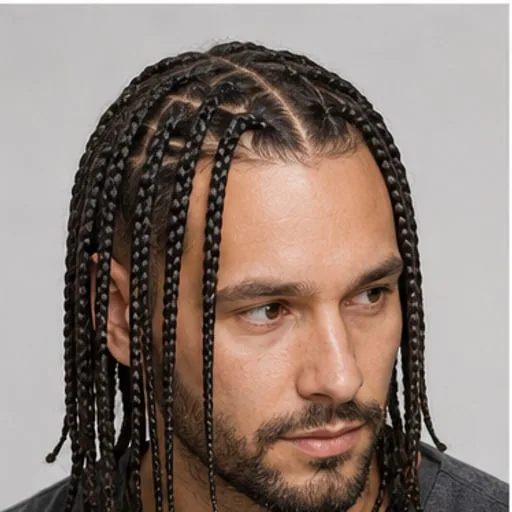
Box Braids — Parting, braid direction and thickness define the outline and face framing.

Box Braids

Parting, braid direction and thickness define the outline and face framing.

Check these requirements
Avoid a finish that depends on fragile smoothness · Allow a quick recovery with the tools available
Why it fits
Individually sectioned braids keep a defined direction and reduce daily restyling. In the weather conditions of a heatwave, this structure reduces uncontrolled movement and supports “Avoid a finish that depends on fragile smoothness.” Confirm “Allow a quick recovery with the tools available” in realistic moisture, wind or temperature.
Best for
People seeking less daily restyling who can manage braid weight and scalp care
Watch out for
The reference shows a direction only; adapt the hold to real texture, density and setting rules. Long braids add weight and drying time, so confirm that the scalp remains comfortable.
Try this hairstyle
Quick comparison

Compare 8 directions for a heatwave

Filter by scene fit and realistic upkeep before trying a look; the first reference image should not make the decision for you.

StyleWhy consider itReal-world trade-offAction
Buzz CutVery short, even length stays out of the sightline and makes washing and resetting straightforward. In the weather conditions of a heatwave, this structure reduces uncontrolled movement and supports “Respond to the actual moisture, wind or temperature.” Confirm “Avoid a finish that depends on fragile smoothness” in realistic moisture, wind or temperature.The reference shows a direction only; adapt the hold to real texture, density and setting rules. Very short length exposes more scalp, making sun, temperature and trim regrowth more noticeable.Try it
CornrowsClose-to-scalp braided rows limit strand movement and create a stable outline. In the weather conditions of a heatwave, this structure reduces uncontrolled movement and supports “Avoid a finish that depends on fragile smoothness.” Confirm “Allow a quick recovery with the tools available” in realistic moisture, wind or temperature.The reference shows a direction only; adapt the hold to real texture, density and setting rules. Close braiding should not rely on excessive tension; loosen it if pulling persists.Try it
French BraidA French braid adds outer sections into a centered path for close, continuous control. In the weather conditions of a heatwave, this structure reduces uncontrolled movement and supports “Allow a quick recovery with the tools available.” Confirm “Respond to the actual moisture, wind or temperature” in realistic moisture, wind or temperature.The reference shows a direction only; adapt the hold to real texture, density and setting rules. The transition to a free braid near the nape can loosen first, so check that junction separately.Try it
Pixie CutThe short perimeter opens the face and ears while retaining controlled texture on top. In the weather conditions of a heatwave, this structure reduces uncontrolled movement and supports “Respond to the actual moisture, wind or temperature.” Confirm “Avoid a finish that depends on fragile smoothness” in realistic moisture, wind or temperature.The reference shows a direction only; adapt the hold to real texture, density and setting rules. Short layers depend on the cut, cowlicks and hairline, which a reference image cannot predict.Try it
Crew CutShort sides with a slightly longer top keep a clear outline with a small amount of controllable texture. In the weather conditions of a heatwave, this structure reduces uncontrolled movement and supports “Avoid a finish that depends on fragile smoothness.” Confirm “Allow a quick recovery with the tools available” in realistic moisture, wind or temperature.The reference shows a direction only; adapt the hold to real texture, density and setting rules. The outline changes quickly as the top grows, so it needs more shaping than an even buzz cut.Try it
Dutch BraidA Dutch braid raises the woven structure, making section control and looseness easier to inspect. In the weather conditions of a heatwave, this structure reduces uncontrolled movement and supports “Allow a quick recovery with the tools available.” Confirm “Respond to the actual moisture, wind or temperature” in realistic moisture, wind or temperature.The reference shows a direction only; adapt the hold to real texture, density and setting rules. The raised weave is more exposed to friction, so check contact with collars, headrests or hats.Try it
Messy BunAn anchored loose bun contains most of the length while allowing controlled natural texture. In the weather conditions of a heatwave, this structure reduces uncontrolled movement and supports “Respond to the actual moisture, wind or temperature.” Confirm “Avoid a finish that depends on fragile smoothness” in realistic moisture, wind or temperature.The reference shows a direction only; adapt the hold to real texture, density and setting rules. Softness still needs hidden anchors or wind and movement will release loose pieces.Try it
Box BraidsIndividually sectioned braids keep a defined direction and reduce daily restyling. In the weather conditions of a heatwave, this structure reduces uncontrolled movement and supports “Avoid a finish that depends on fragile smoothness.” Confirm “Allow a quick recovery with the tools available” in realistic moisture, wind or temperature.The reference shows a direction only; adapt the hold to real texture, density and setting rules. Long braids add weight and drying time, so confirm that the scalp remains comfortable.Try it
Why it helps

What to prioritize for a heatwave

Compare breathable hairstyles that keep hair off the neck and remain comfortable in extreme heat. A useful choice for a heatwave must account for temperature, moisture, wind, headwear and recovery after exposure and first satisfy “Respond to the actual moisture, wind or temperature”; a look that works only in a reference image should not make the shortlist.

01Fit the setting

Respond to the actual moisture, wind or temperature

02Comfort and hold

Avoid a finish that depends on fragile smoothness

03Make it realistic

Allow a quick recovery with the tools available

How it works

Prepare for the real setting, not just the reference image

These three steps are written for the real sequence of a heatwave.

01Rehearse the complete look

Make the forecast for moisture, wind and temperature plus any collar, scarf or hat a selection condition before deciding on the silhouette and anchor placement.

02Test the real conditions

Walk through the real sequence of a heatwave, paying particular attention to the style outdoors for long enough to reveal frizz, flattening, tangling or static.

03Pack a focused reset kit

Carry only what is needed for recovering the structure without layering on heavy product; choose a simpler direction if it needs repeated rebuilding.

FAQ

Questions about hairstyles for a heatwave

How do I choose a hairstyle for a heatwave?

Compare breathable hairstyles that keep hair off the neck and remain comfortable in extreme heat. A useful choice for a heatwave must account for temperature, moisture, wind, headwear and recovery after exposure and first satisfy “Respond to the actual moisture, wind or temperature”; a look that works only in a reference image should not make the shortlist.

Do I need to change my length or natural texture for a heatwave?

Not necessarily. First use parting, securing or face-framing adjustments to support “Avoid a finish that depends on fragile smoothness,” then decide whether a cut or chemical service is needed.

Can an AI preview guarantee the result for a heatwave?

No. It compares visual directions; “Allow a quick recovery with the tools available” still depends on real texture, density, current length and styling technique.

Start with one photo

See the hairstyle on yourself first

Upload one clear photo, compare directions for a heatwave, and decide before making a real change.

Start hairstyle preview