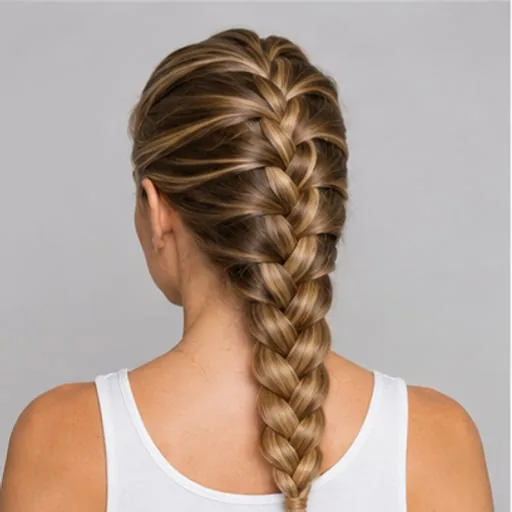
| French Braid | A French braid adds outer sections into a centered path for close, continuous control. For wearing a hat, its height and anchor placement determine whether headwear fits correctly. Check “Create a low profile with no pressure point under headwear,” then put on the real equipment to verify “Keep the protective equipment correctly fitted.” | Test with the actual equipment for fit and pressure points; pins, buns or volume must not interfere with correct protective fit. The transition to a free braid near the nape can loosen first, so check that junction separately. | Try it |
|---|
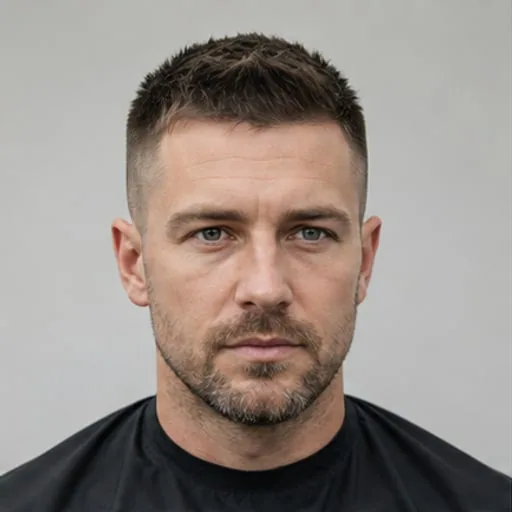
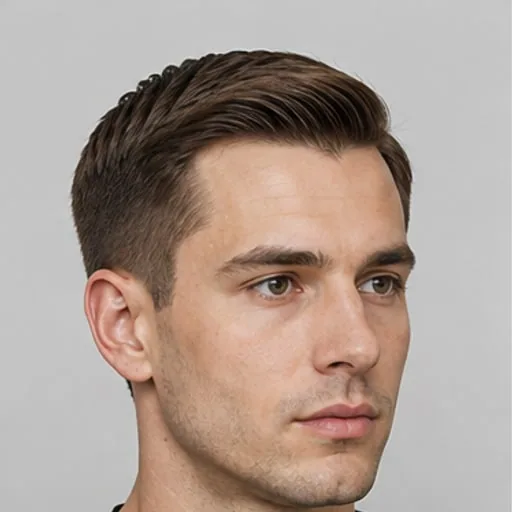
| Crew Cut | Short sides with a slightly longer top keep a clear outline with a small amount of controllable texture. For wearing a hat, its height and anchor placement determine whether headwear fits correctly. Check “Keep the protective equipment correctly fitted,” then put on the real equipment to verify “Recover cleanly after the equipment is removed.” | Test with the actual equipment for fit and pressure points; pins, buns or volume must not interfere with correct protective fit. The outline changes quickly as the top grows, so it needs more shaping than an even buzz cut. | Try it |
|---|
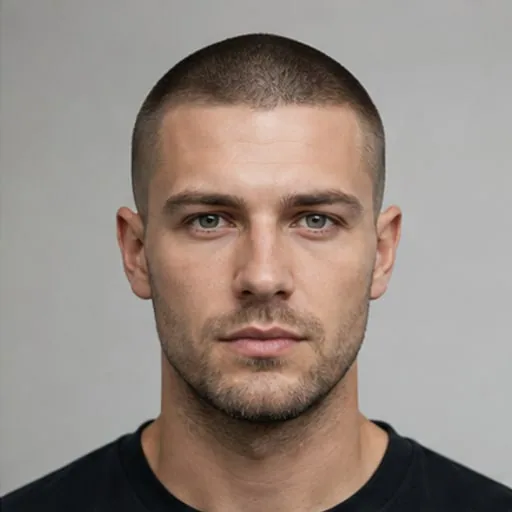
| Buzz Cut | Very short, even length stays out of the sightline and makes washing and resetting straightforward. For wearing a hat, its height and anchor placement determine whether headwear fits correctly. Check “Recover cleanly after the equipment is removed,” then put on the real equipment to verify “Create a low profile with no pressure point under headwear.” | Test with the actual equipment for fit and pressure points; pins, buns or volume must not interfere with correct protective fit. Very short length exposes more scalp, making sun, temperature and trim regrowth more noticeable. | Try it |
|---|
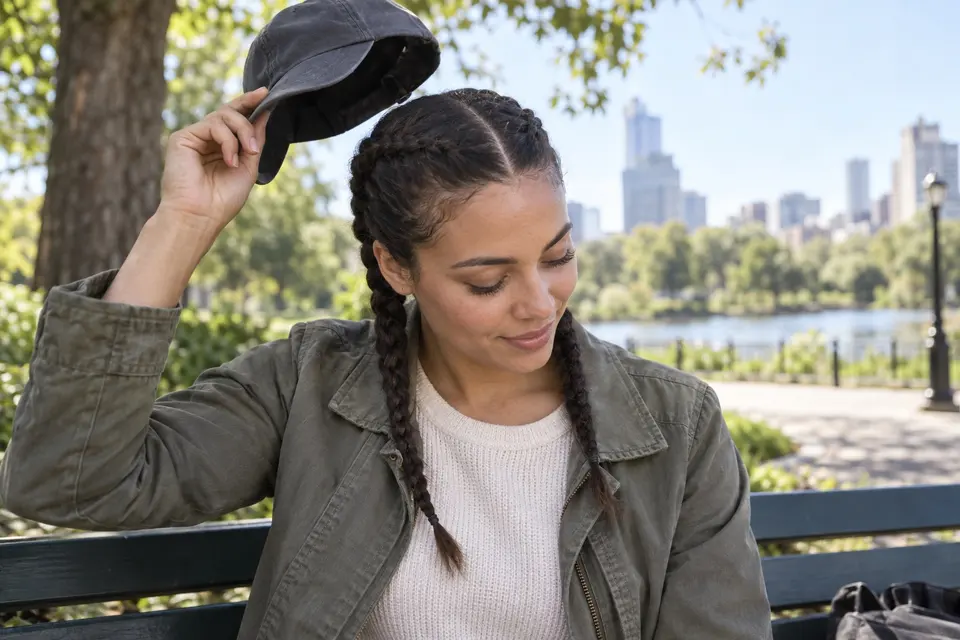
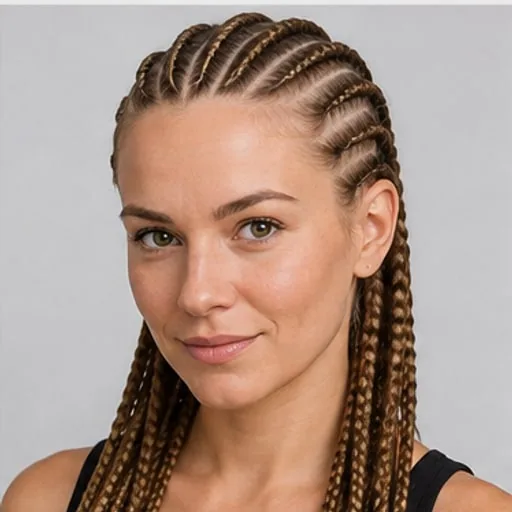
| Cornrows | Close-to-scalp braided rows limit strand movement and create a stable outline. For wearing a hat, its height and anchor placement determine whether headwear fits correctly. Check “Create a low profile with no pressure point under headwear,” then put on the real equipment to verify “Keep the protective equipment correctly fitted.” | Test with the actual equipment for fit and pressure points; pins, buns or volume must not interfere with correct protective fit. Close braiding should not rely on excessive tension; loosen it if pulling persists. | Try it |
|---|
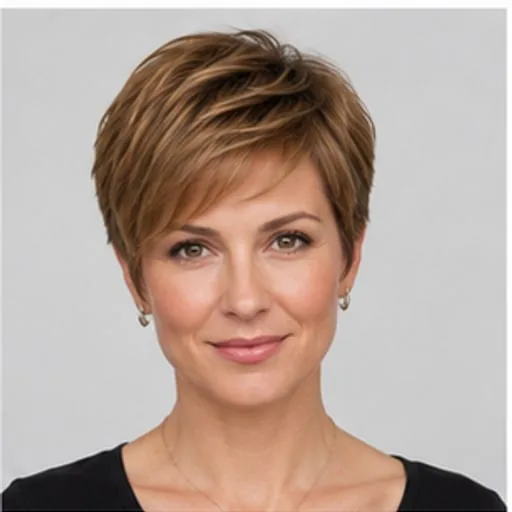
| Pixie Cut | The short perimeter opens the face and ears while retaining controlled texture on top. For wearing a hat, its height and anchor placement determine whether headwear fits correctly. Check “Keep the protective equipment correctly fitted,” then put on the real equipment to verify “Recover cleanly after the equipment is removed.” | Test with the actual equipment for fit and pressure points; pins, buns or volume must not interfere with correct protective fit. Short layers depend on the cut, cowlicks and hairline, which a reference image cannot predict. | Try it |
|---|
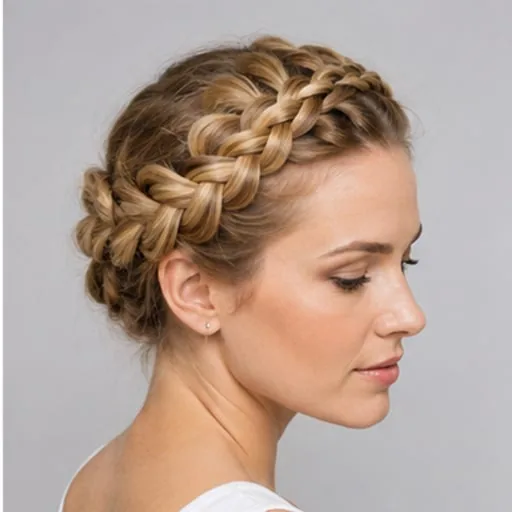
| Braided Crown | A crown braid routes length around the head, clearing the face and nape in one continuous outline. For wearing a hat, its height and anchor placement determine whether headwear fits correctly. Check “Recover cleanly after the equipment is removed,” then put on the real equipment to verify “Create a low profile with no pressure point under headwear.” | Test with the actual equipment for fit and pressure points; pins, buns or volume must not interfere with correct protective fit. The wrap can conflict with glasses, earrings or headwear and must be tested together. | Try it |
|---|
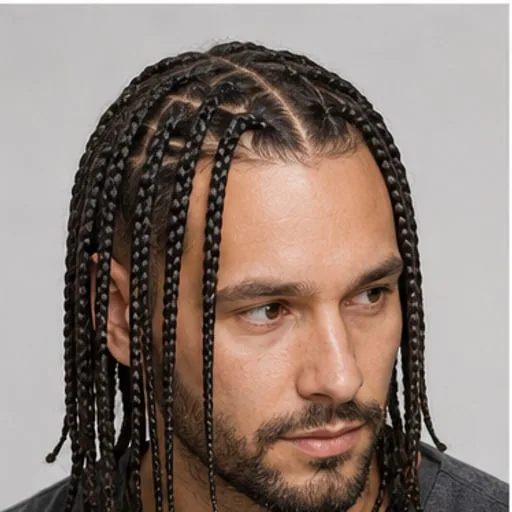
| Box Braids | Individually sectioned braids keep a defined direction and reduce daily restyling. For wearing a hat, its height and anchor placement determine whether headwear fits correctly. Check “Create a low profile with no pressure point under headwear,” then put on the real equipment to verify “Keep the protective equipment correctly fitted.” | Test with the actual equipment for fit and pressure points; pins, buns or volume must not interfere with correct protective fit. Long braids add weight and drying time, so confirm that the scalp remains comfortable. | Try it |
|---|
| Ivy League | Tidy sides and a partable top balance a formal outline with modest styling flexibility. For wearing a hat, its height and anchor placement determine whether headwear fits correctly. Check “Keep the protective equipment correctly fitted,” then put on the real equipment to verify “Recover cleanly after the equipment is removed.” | Test with the actual equipment for fit and pressure points; pins, buns or volume must not interfere with correct protective fit. The part and top need light shaping, and a natural cowlick may redirect the reference look. | Try it |
|---|