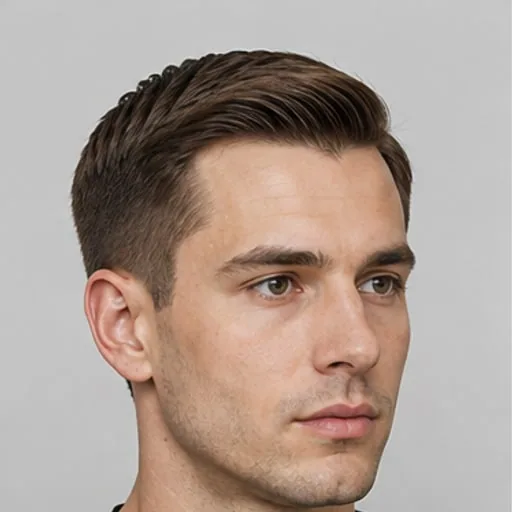
| Crew Cut | Short sides with a slightly longer top keep a clear outline with a small amount of controllable texture. In the weather conditions of a windy day, this structure reduces uncontrolled movement and supports “Respond to the actual moisture, wind or temperature.” Confirm “Avoid a finish that depends on fragile smoothness” in realistic moisture, wind or temperature. | The reference shows a direction only; adapt the hold to real texture, density and setting rules. The outline changes quickly as the top grows, so it needs more shaping than an even buzz cut. | Try it |
|---|
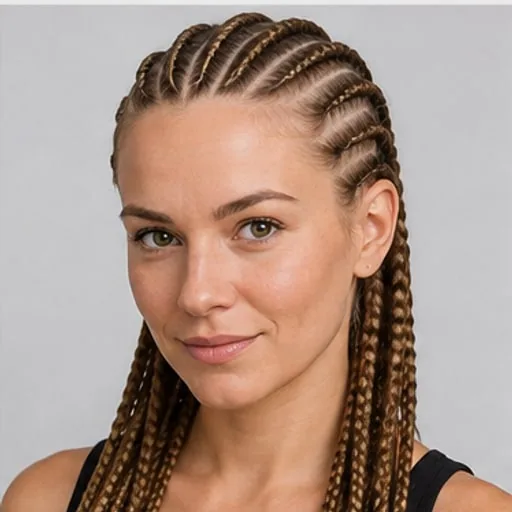
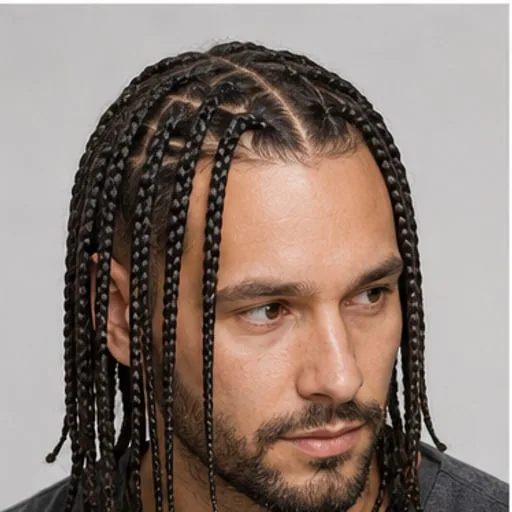
| Cornrows | Close-to-scalp braided rows limit strand movement and create a stable outline. In the weather conditions of a windy day, this structure reduces uncontrolled movement and supports “Avoid a finish that depends on fragile smoothness.” Confirm “Allow a quick recovery with the tools available” in realistic moisture, wind or temperature. | The reference shows a direction only; adapt the hold to real texture, density and setting rules. Close braiding should not rely on excessive tension; loosen it if pulling persists. | Try it |
|---|
| Buzz Cut | Very short, even length stays out of the sightline and makes washing and resetting straightforward. In the weather conditions of a windy day, this structure reduces uncontrolled movement and supports “Allow a quick recovery with the tools available.” Confirm “Respond to the actual moisture, wind or temperature” in realistic moisture, wind or temperature. | The reference shows a direction only; adapt the hold to real texture, density and setting rules. Very short length exposes more scalp, making sun, temperature and trim regrowth more noticeable. | Try it |
|---|
| Pixie Cut | The short perimeter opens the face and ears while retaining controlled texture on top. In the weather conditions of a windy day, this structure reduces uncontrolled movement and supports “Respond to the actual moisture, wind or temperature.” Confirm “Avoid a finish that depends on fragile smoothness” in realistic moisture, wind or temperature. | The reference shows a direction only; adapt the hold to real texture, density and setting rules. Short layers depend on the cut, cowlicks and hairline, which a reference image cannot predict. | Try it |
|---|
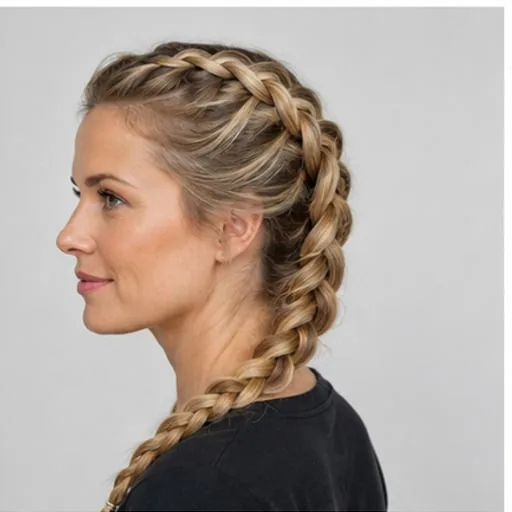
| Dutch Braid | A Dutch braid raises the woven structure, making section control and looseness easier to inspect. In the weather conditions of a windy day, this structure reduces uncontrolled movement and supports “Avoid a finish that depends on fragile smoothness.” Confirm “Allow a quick recovery with the tools available” in realistic moisture, wind or temperature. | The reference shows a direction only; adapt the hold to real texture, density and setting rules. The raised weave is more exposed to friction, so check contact with collars, headrests or hats. | Try it |
|---|
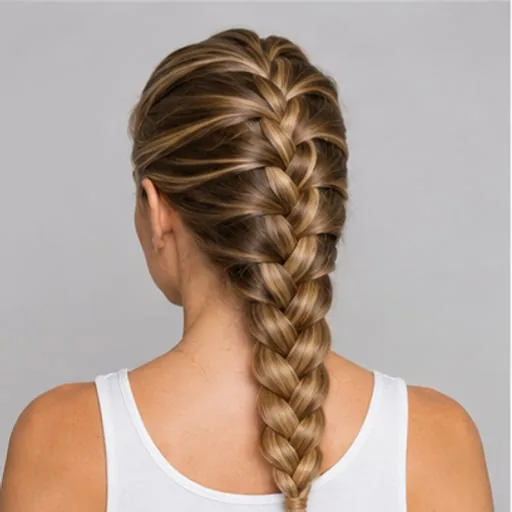
| French Braid | A French braid adds outer sections into a centered path for close, continuous control. In the weather conditions of a windy day, this structure reduces uncontrolled movement and supports “Allow a quick recovery with the tools available.” Confirm “Respond to the actual moisture, wind or temperature” in realistic moisture, wind or temperature. | The reference shows a direction only; adapt the hold to real texture, density and setting rules. The transition to a free braid near the nape can loosen first, so check that junction separately. | Try it |
|---|
| Box Braids | Individually sectioned braids keep a defined direction and reduce daily restyling. In the weather conditions of a windy day, this structure reduces uncontrolled movement and supports “Respond to the actual moisture, wind or temperature.” Confirm “Avoid a finish that depends on fragile smoothness” in realistic moisture, wind or temperature. | The reference shows a direction only; adapt the hold to real texture, density and setting rules. Long braids add weight and drying time, so confirm that the scalp remains comfortable. | Try it |
|---|
| Ivy League | Tidy sides and a partable top balance a formal outline with modest styling flexibility. In the weather conditions of a windy day, this structure reduces uncontrolled movement and supports “Avoid a finish that depends on fragile smoothness.” Confirm “Allow a quick recovery with the tools available” in realistic moisture, wind or temperature. | The reference shows a direction only; adapt the hold to real texture, density and setting rules. The part and top need light shaping, and a natural cowlick may redirect the reference look. | Try it |
|---|