Second-Day Hair Styles

Find practical directions that work with lived-in texture and reduce the need for a full wash and restyle.

Find your hairstyle
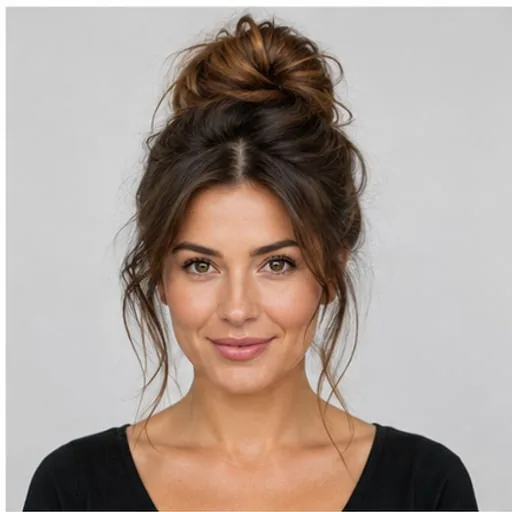
Messy Bun, a hairstyle direction to compare for second-day hairMessy Bun
Bob, a hairstyle direction to compare for second-day hairBob
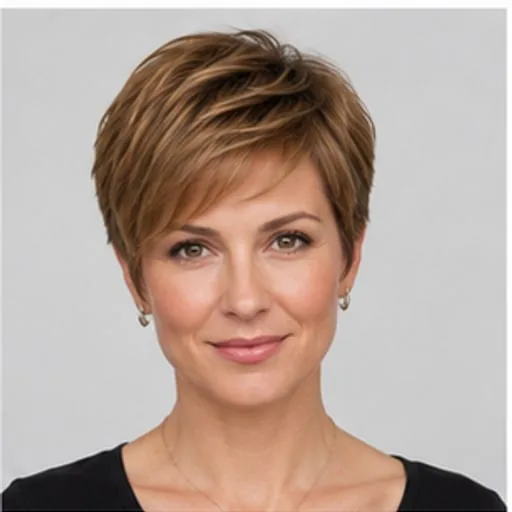
Pixie Cut, a hairstyle direction to compare for second-day hairPixie Cut
Three directions selected for the real constraints of second-day hair; continue for the complete eight-style comparison.
30-second decision brief

First decide whether the style really fits second-day hair

Direct answer: Find practical directions that work with lived-in texture and reduce the need for a full wash and restyle. A useful choice for second-day hair must account for the real activity, available time, comfort and repeatable upkeep and first satisfy “Use a routine that is quick and repeatable”; a look that works only in a reference image should not make the shortlist.

Best for

People who need both “Use a routine that is quick and repeatable” and “Stay comfortable without repeated adjustments” for second-day hair.

Preparation time

About 5–20 minutes; remove unnecessary steps for your real length, texture and schedule

Expected hold

Aim to complete the occasion without frequent adjustments

Useful tools

A comb, one light styling product and simple securing accessories for longer hair

Three decision criteria

  1. Use a routine that is quick and repeatable
  2. Stay comfortable without repeated adjustments
  3. Keep the face and sightline naturally clear

Common mistakes to avoid

  • Choosing from a close-up reference without checking the current hair condition, available minutes and the steps that can realistically be repeated.
  • Testing only the static appearance instead of friction, tangling, scalp comfort and whether the style survives the intended routine.
  • Adding product or tension before simplifying the plan for simplifying the routine instead of hiding discomfort under more product or tension.

Preparation plan

  1. 1

    Before styling, confirm the current hair condition, available minutes and the steps that can realistically be repeated.

  2. 2

    Run one complete rehearsal and specifically test friction, tangling, scalp comfort and whether the style survives the intended routine.

  3. 3

    Build the reset plan only around simplifying the routine instead of hiding discomfort under more product or tension; choose a simpler direction if frequent rebuilding is required.

Explore the actual hairstyles

Check the occasion's most important requirement first, then compare comfort, hold and upkeep.

AI hairstyle illustrations, not customer photos. Try-on results vary with your photo and hair.
Messy Bun — Hair is gathered up or back; compare crown volume, placement and loose face-framing pieces.

Messy Bun

Hair is gathered up or back; compare crown volume, placement and loose face-framing pieces.

Check these requirements
Use a routine that is quick and repeatable · Stay comfortable without repeated adjustments
Why it fits
An anchored loose bun contains most of the length while allowing controlled natural texture. For second-day hair, confirm that it can genuinely support “Use a routine that is quick and repeatable.”
Best for
People who want controlled softness and can pin loose face-framing pieces
Watch out for
The reference shows a direction only; adapt the hold to real texture, density and setting rules. Softness still needs hidden anchors or wind and movement will release loose pieces.
Try this hairstyle
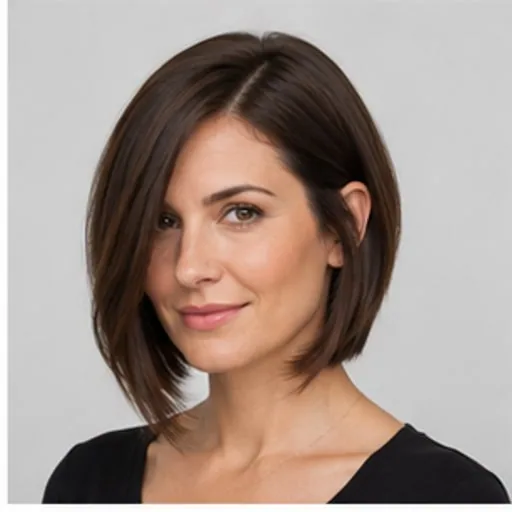
Bob — A compact outline sits between the jaw and collarbone, emphasizing the ends and face framing.

Bob

A compact outline sits between the jaw and collarbone, emphasizing the ends and face framing.

Check these requirements
Stay comfortable without repeated adjustments · Keep the face and sightline naturally clear
Why it fits
A defined jaw-length perimeter creates a readable silhouette while the part controls face openness. For second-day hair, confirm that it can genuinely support “Stay comfortable without repeated adjustments.”
Best for
People who like a defined jaw-length perimeter and can trim it consistently
Watch out for
The reference shows a direction only; adapt the hold to real texture, density and setting rules. A defined perimeter makes uneven regrowth visible and needs consistent trims.
Try this hairstyle
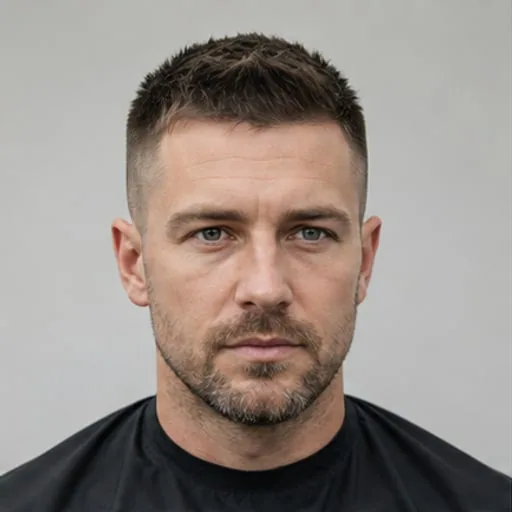
Pixie Cut — Short lengths make the crown texture, hairline and side profile more visible.

Pixie Cut

Short lengths make the crown texture, hairline and side profile more visible.

Check these requirements
Keep the face and sightline naturally clear · Use a routine that is quick and repeatable
Why it fits
The short perimeter opens the face and ears while retaining controlled texture on top. For second-day hair, confirm that it can genuinely support “Keep the face and sightline naturally clear.”
Best for
People who want the ears and face open and can schedule regular short-shape trims
Watch out for
The reference shows a direction only; adapt the hold to real texture, density and setting rules. Short layers depend on the cut, cowlicks and hairline, which a reference image cannot predict.
Try this hairstyle
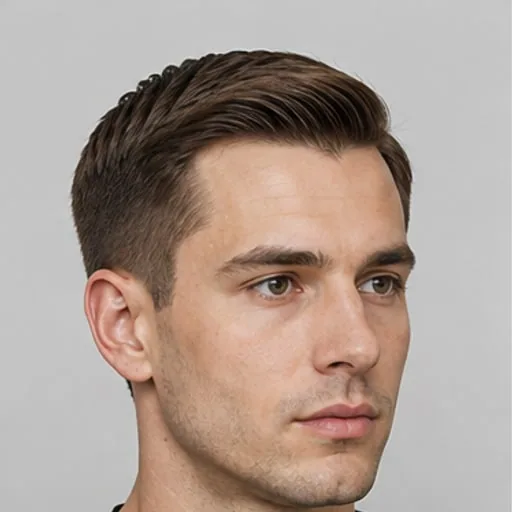
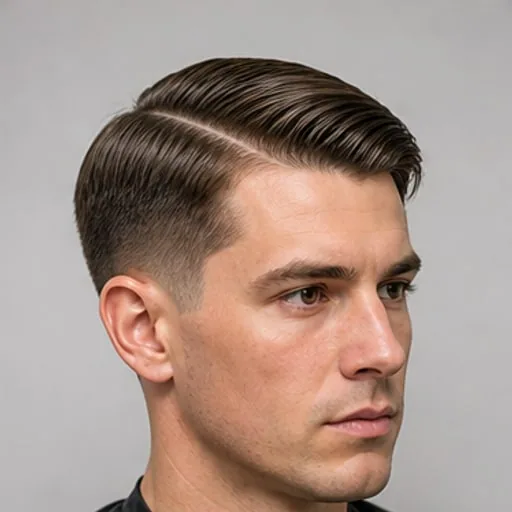
Ivy League — Short lengths make the crown texture, hairline and side profile more visible.

Ivy League

Short lengths make the crown texture, hairline and side profile more visible.

Check these requirements
Use a routine that is quick and repeatable · Stay comfortable without repeated adjustments
Why it fits
Tidy sides and a partable top balance a formal outline with modest styling flexibility. For second-day hair, confirm that it can genuinely support “Use a routine that is quick and repeatable.”
Best for
People willing to shape a part and top while keeping some styling flexibility
Watch out for
The reference shows a direction only; adapt the hold to real texture, density and setting rules. The part and top need light shaping, and a natural cowlick may redirect the reference look.
Try this hairstyle
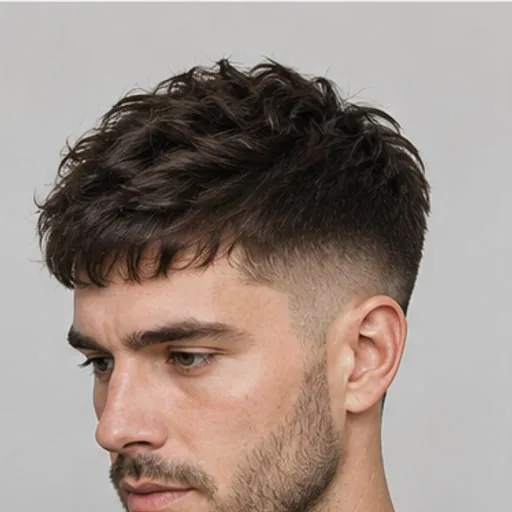
Textured Crop — Short lengths make the crown texture, hairline and side profile more visible.

Textured Crop

Short lengths make the crown texture, hairline and side profile more visible.

Check these requirements
Stay comfortable without repeated adjustments · Keep the face and sightline naturally clear
Why it fits
A short textured crop clears the ears and neckline while retaining direction through the top. For second-day hair, confirm that it can genuinely support “Stay comfortable without repeated adjustments.”
Best for
People who prefer short texture and can maintain the fringe and sides regularly
Watch out for
The reference shows a direction only; adapt the hold to real texture, density and setting rules. Front texture can drop with sweat or humidity, so test whether it enters the sightline.
Try this hairstyle
Crew Cut — Short lengths make the crown texture, hairline and side profile more visible.

Crew Cut

Short lengths make the crown texture, hairline and side profile more visible.

Check these requirements
Keep the face and sightline naturally clear · Use a routine that is quick and repeatable
Why it fits
Short sides with a slightly longer top keep a clear outline with a small amount of controllable texture. For second-day hair, confirm that it can genuinely support “Keep the face and sightline naturally clear.”
Best for
People who want short sides, modest top length and a quick morning routine
Watch out for
The reference shows a direction only; adapt the hold to real texture, density and setting rules. The outline changes quickly as the top grows, so it needs more shaping than an even buzz cut.
Try this hairstyle
Side-Parted — Longer lengths leave room for movement and layers around the face and ends.

Side-Parted

Longer lengths leave room for movement and layers around the face and ends.

Check these requirements
Use a routine that is quick and repeatable · Stay comfortable without repeated adjustments
Why it fits
An off-center part guides the eye and avoids a fully symmetrical frame. For second-day hair, confirm that it can genuinely support “Use a routine that is quick and repeatable.”
Best for
People willing to set the part for a cleaner, more open face frame
Watch out for
The reference shows a direction only; adapt the hold to real texture, density and setting rules. The parted front is most affected by wind and sweat, so check that it will not fall into the eyes.
Try this hairstyle
Asymmetrical bob — An uneven hemline pairs a longer side with a close, clean opposite side.

Asymmetrical bob

An uneven hemline pairs a longer side with a close, clean opposite side.

Check these requirements
Stay comfortable without repeated adjustments · Keep the face and sightline naturally clear
Why it fits
An asymmetric perimeter creates a strong visual direction within the controlled outline of a bob. For second-day hair, confirm that it can genuinely support “Stay comfortable without repeated adjustments.”
Best for
People seeking a directional outline who can maintain an asymmetric perimeter
Watch out for
The reference shows a direction only; adapt the hold to real texture, density and setting rules. Asymmetry shows regrowth clearly, and the longer side must not obstruct vision or equipment.
Try this hairstyle
Quick comparison

Compare 8 directions for second-day hair

Filter by scene fit and realistic upkeep before trying a look; the first reference image should not make the decision for you.

StyleWhy consider itReal-world trade-offAction
Messy BunAn anchored loose bun contains most of the length while allowing controlled natural texture. For second-day hair, confirm that it can genuinely support “Use a routine that is quick and repeatable.”The reference shows a direction only; adapt the hold to real texture, density and setting rules. Softness still needs hidden anchors or wind and movement will release loose pieces.Try it
BobA defined jaw-length perimeter creates a readable silhouette while the part controls face openness. For second-day hair, confirm that it can genuinely support “Stay comfortable without repeated adjustments.”The reference shows a direction only; adapt the hold to real texture, density and setting rules. A defined perimeter makes uneven regrowth visible and needs consistent trims.Try it
Pixie CutThe short perimeter opens the face and ears while retaining controlled texture on top. For second-day hair, confirm that it can genuinely support “Keep the face and sightline naturally clear.”The reference shows a direction only; adapt the hold to real texture, density and setting rules. Short layers depend on the cut, cowlicks and hairline, which a reference image cannot predict.Try it
Ivy LeagueTidy sides and a partable top balance a formal outline with modest styling flexibility. For second-day hair, confirm that it can genuinely support “Use a routine that is quick and repeatable.”The reference shows a direction only; adapt the hold to real texture, density and setting rules. The part and top need light shaping, and a natural cowlick may redirect the reference look.Try it
Textured CropA short textured crop clears the ears and neckline while retaining direction through the top. For second-day hair, confirm that it can genuinely support “Stay comfortable without repeated adjustments.”The reference shows a direction only; adapt the hold to real texture, density and setting rules. Front texture can drop with sweat or humidity, so test whether it enters the sightline.Try it
Crew CutShort sides with a slightly longer top keep a clear outline with a small amount of controllable texture. For second-day hair, confirm that it can genuinely support “Keep the face and sightline naturally clear.”The reference shows a direction only; adapt the hold to real texture, density and setting rules. The outline changes quickly as the top grows, so it needs more shaping than an even buzz cut.Try it
Side-PartedAn off-center part guides the eye and avoids a fully symmetrical frame. For second-day hair, confirm that it can genuinely support “Use a routine that is quick and repeatable.”The reference shows a direction only; adapt the hold to real texture, density and setting rules. The parted front is most affected by wind and sweat, so check that it will not fall into the eyes.Try it
Asymmetrical bobAn asymmetric perimeter creates a strong visual direction within the controlled outline of a bob. For second-day hair, confirm that it can genuinely support “Stay comfortable without repeated adjustments.”The reference shows a direction only; adapt the hold to real texture, density and setting rules. Asymmetry shows regrowth clearly, and the longer side must not obstruct vision or equipment.Try it
Why it helps

What to prioritize for second-day hair

Find practical directions that work with lived-in texture and reduce the need for a full wash and restyle. A useful choice for second-day hair must account for the real activity, available time, comfort and repeatable upkeep and first satisfy “Use a routine that is quick and repeatable”; a look that works only in a reference image should not make the shortlist.

01Fit the setting

Use a routine that is quick and repeatable

02Comfort and hold

Stay comfortable without repeated adjustments

03Make it realistic

Keep the face and sightline naturally clear

How it works

Prepare for the real setting, not just the reference image

These three steps are written for the real sequence of second-day hair.

01Rehearse the complete look

Before styling, confirm the current hair condition, available minutes and the steps that can realistically be repeated.

02Test the real conditions

Run one complete rehearsal and specifically test friction, tangling, scalp comfort and whether the style survives the intended routine.

03Pack a focused reset kit

Build the reset plan only around simplifying the routine instead of hiding discomfort under more product or tension; choose a simpler direction if frequent rebuilding is required.

FAQ

Questions about hairstyles for second-day hair

How do I choose a hairstyle for second-day hair?

Find practical directions that work with lived-in texture and reduce the need for a full wash and restyle. A useful choice for second-day hair must account for the real activity, available time, comfort and repeatable upkeep and first satisfy “Use a routine that is quick and repeatable”; a look that works only in a reference image should not make the shortlist.

Do I need to change my length or natural texture for second-day hair?

Not necessarily. First use parting, securing or face-framing adjustments to support “Stay comfortable without repeated adjustments,” then decide whether a cut or chemical service is needed.

Can an AI preview guarantee the result for second-day hair?

No. It compares visual directions; “Keep the face and sightline naturally clear” still depends on real texture, density, current length and styling technique.

Start with one photo

See the hairstyle on yourself first

Upload one clear photo, compare directions for second-day hair, and decide before making a real change.

Start hairstyle preview