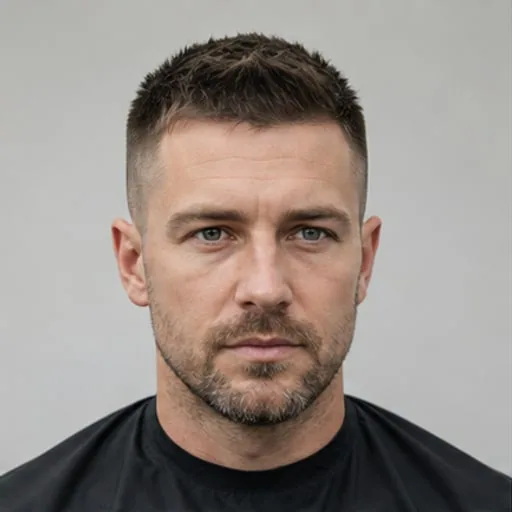
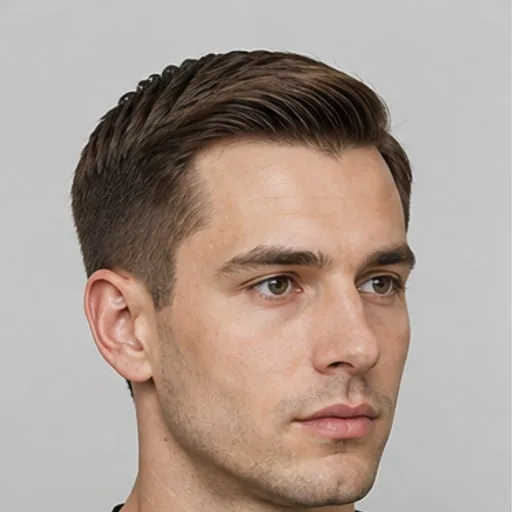
| Crew Cut | Short sides with a slightly longer top keep a clear outline with a small amount of controllable texture. During a workout, this structure limits bounce and loose face-framing pieces through repeated movement, which supports “Control through repeated movement.” Verify “Low tension and scalp comfort” at a practice intensity close to the real activity. | The reference shows a direction only; adapt the hold to real texture, density and setting rules. The outline changes quickly as the top grows, so it needs more shaping than an even buzz cut. | Try it |
|---|
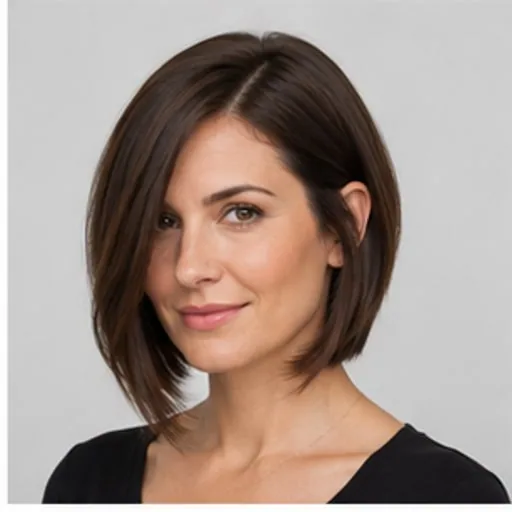
| Pixie Cut | The short perimeter opens the face and ears while retaining controlled texture on top. During a workout, this structure limits bounce and loose face-framing pieces through repeated movement, which supports “Low tension and scalp comfort.” Verify “A simple post-workout reset” at a practice intensity close to the real activity. | The reference shows a direction only; adapt the hold to real texture, density and setting rules. Short layers depend on the cut, cowlicks and hairline, which a reference image cannot predict. | Try it |
|---|
| Bob | A defined jaw-length perimeter creates a readable silhouette while the part controls face openness. During a workout, this structure limits bounce and loose face-framing pieces through repeated movement, which supports “A simple post-workout reset.” Verify “Control through repeated movement” at a practice intensity close to the real activity. | The reference shows a direction only; adapt the hold to real texture, density and setting rules. A defined perimeter makes uneven regrowth visible and needs consistent trims. | Try it |
|---|
| Asymmetrical bob | An asymmetric perimeter creates a strong visual direction within the controlled outline of a bob. During a workout, this structure limits bounce and loose face-framing pieces through repeated movement, which supports “Control through repeated movement.” Verify “Low tension and scalp comfort” at a practice intensity close to the real activity. | The reference shows a direction only; adapt the hold to real texture, density and setting rules. Asymmetry shows regrowth clearly, and the longer side must not obstruct vision or equipment. | Try it |
|---|
| Buzz Cut | Very short, even length stays out of the sightline and makes washing and resetting straightforward. During a workout, this structure limits bounce and loose face-framing pieces through repeated movement, which supports “Low tension and scalp comfort.” Verify “A simple post-workout reset” at a practice intensity close to the real activity. | The reference shows a direction only; adapt the hold to real texture, density and setting rules. Very short length exposes more scalp, making sun, temperature and trim regrowth more noticeable. | Try it |
|---|
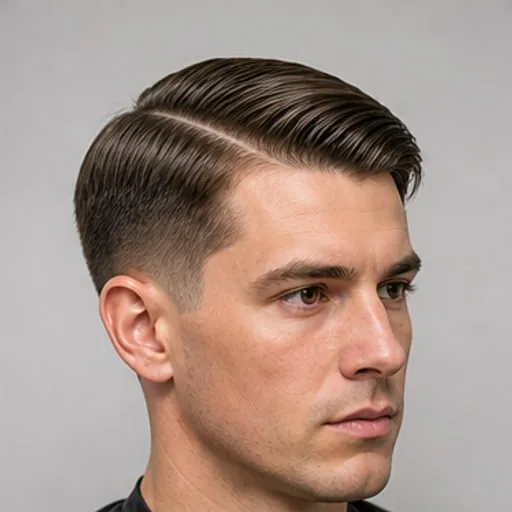
| Side-Parted | An off-center part guides the eye and avoids a fully symmetrical frame. During a workout, this structure limits bounce and loose face-framing pieces through repeated movement, which supports “A simple post-workout reset.” Verify “Control through repeated movement” at a practice intensity close to the real activity. | The reference shows a direction only; adapt the hold to real texture, density and setting rules. The parted front is most affected by wind and sweat, so check that it will not fall into the eyes. | Try it |
|---|
| Ivy League | Tidy sides and a partable top balance a formal outline with modest styling flexibility. During a workout, this structure limits bounce and loose face-framing pieces through repeated movement, which supports “Control through repeated movement.” Verify “Low tension and scalp comfort” at a practice intensity close to the real activity. | The reference shows a direction only; adapt the hold to real texture, density and setting rules. The part and top need light shaping, and a natural cowlick may redirect the reference look. | Try it |
|---|
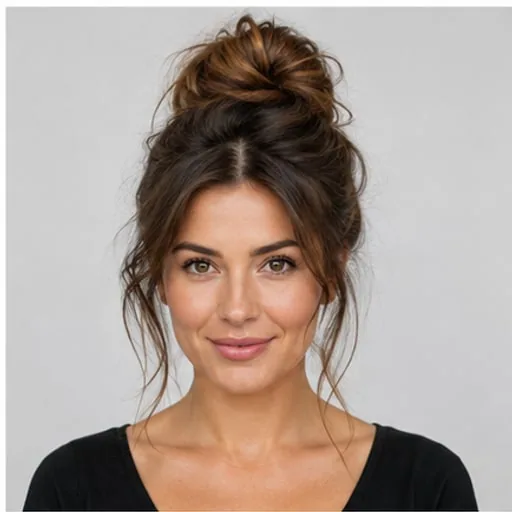
| Messy Bun | An anchored loose bun contains most of the length while allowing controlled natural texture. During a workout, this structure limits bounce and loose face-framing pieces through repeated movement, which supports “Low tension and scalp comfort.” Verify “A simple post-workout reset” at a practice intensity close to the real activity. | The reference shows a direction only; adapt the hold to real texture, density and setting rules. Softness still needs hidden anchors or wind and movement will release loose pieces. | Try it |
|---|