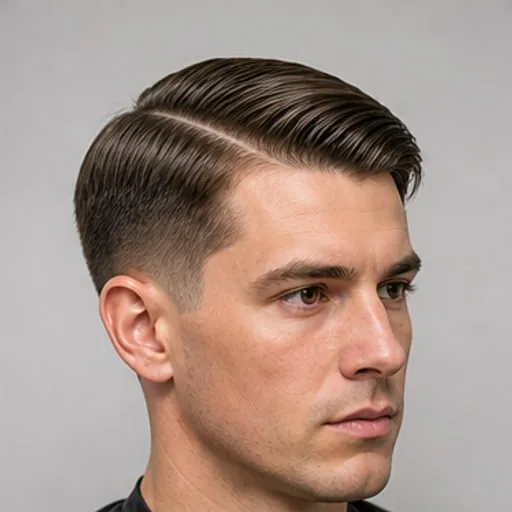
| Side-Parted | An off-center part guides the eye and avoids a fully symmetrical frame. For graduation day, this structure directly supports “A shape that fits under and after the cap.” After a realistic rehearsal, use “Clear face framing on stage and in photos” to decide whether it remains a practical option. | The reference shows a direction only; adapt the hold to real texture, density and setting rules. The parted front is most affected by wind and sweat, so check that it will not fall into the eyes. | Try it |
|---|
| Ivy League | Tidy sides and a partable top balance a formal outline with modest styling flexibility. For graduation day, this structure directly supports “Clear face framing on stage and in photos.” After a realistic rehearsal, use “Easy recovery after removing headwear” to decide whether it remains a practical option. | The reference shows a direction only; adapt the hold to real texture, density and setting rules. The part and top need light shaping, and a natural cowlick may redirect the reference look. | Try it |
|---|
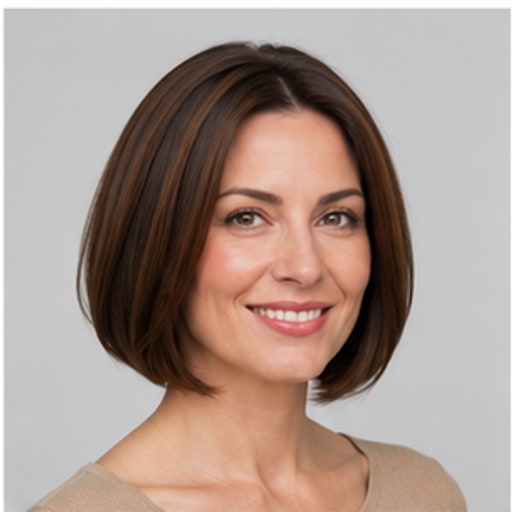
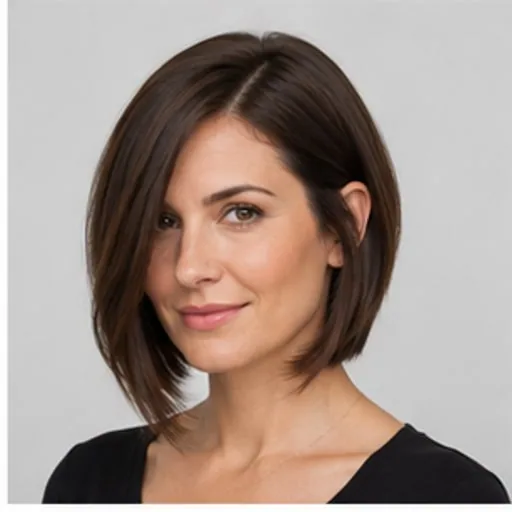
| Bob | A defined jaw-length perimeter creates a readable silhouette while the part controls face openness. For graduation day, this structure directly supports “Easy recovery after removing headwear.” After a realistic rehearsal, use “A shape that fits under and after the cap” to decide whether it remains a practical option. | The reference shows a direction only; adapt the hold to real texture, density and setting rules. A defined perimeter makes uneven regrowth visible and needs consistent trims. | Try it |
|---|
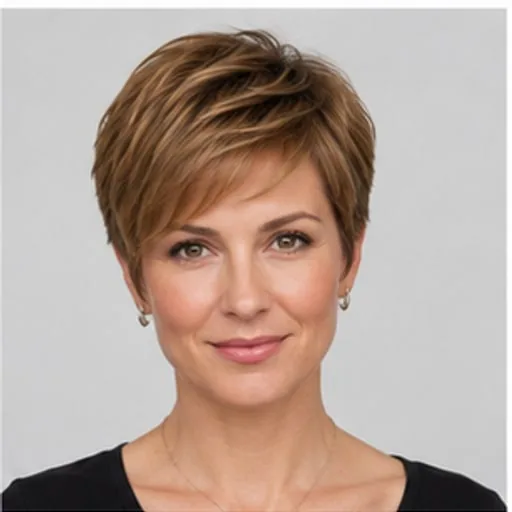
| Pixie Cut | The short perimeter opens the face and ears while retaining controlled texture on top. For graduation day, this structure directly supports “A shape that fits under and after the cap.” After a realistic rehearsal, use “Clear face framing on stage and in photos” to decide whether it remains a practical option. | The reference shows a direction only; adapt the hold to real texture, density and setting rules. Short layers depend on the cut, cowlicks and hairline, which a reference image cannot predict. | Try it |
|---|
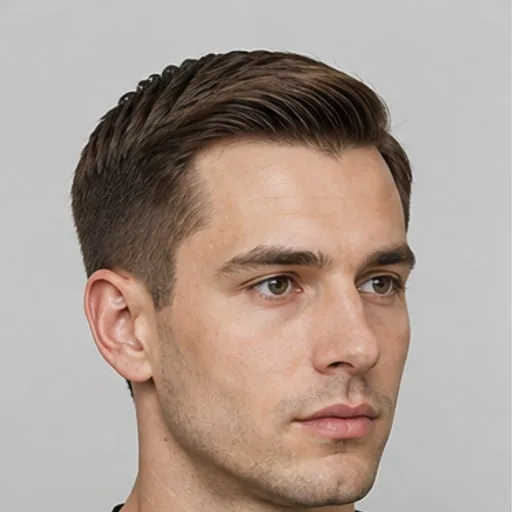
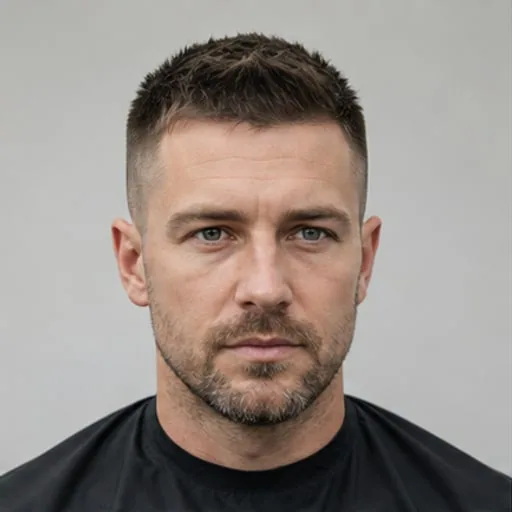
| Crew Cut | Short sides with a slightly longer top keep a clear outline with a small amount of controllable texture. For graduation day, this structure directly supports “Clear face framing on stage and in photos.” After a realistic rehearsal, use “Easy recovery after removing headwear” to decide whether it remains a practical option. | The reference shows a direction only; adapt the hold to real texture, density and setting rules. The outline changes quickly as the top grows, so it needs more shaping than an even buzz cut. | Try it |
|---|
| Asymmetrical bob | An asymmetric perimeter creates a strong visual direction within the controlled outline of a bob. For graduation day, this structure directly supports “Easy recovery after removing headwear.” After a realistic rehearsal, use “A shape that fits under and after the cap” to decide whether it remains a practical option. | The reference shows a direction only; adapt the hold to real texture, density and setting rules. Asymmetry shows regrowth clearly, and the longer side must not obstruct vision or equipment. | Try it |
|---|
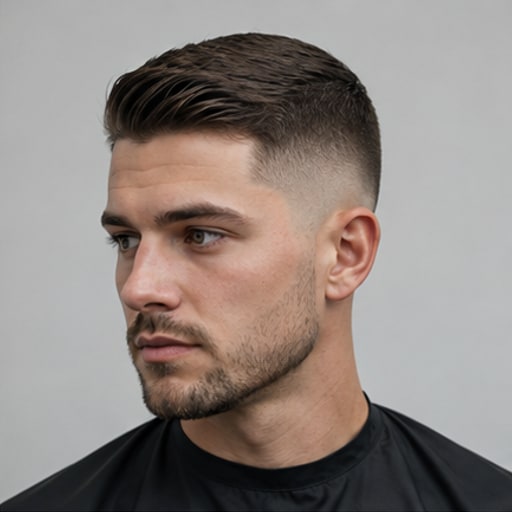
| Fade | Faded sides concentrate volume on top while keeping the ears and neckline sharply defined. For graduation day, this structure directly supports “A shape that fits under and after the cap.” After a realistic rehearsal, use “Clear face framing on stage and in photos” to decide whether it remains a practical option. | The reference shows a direction only; adapt the hold to real texture, density and setting rules. A fade loses its crisp boundary as it grows and requires relatively frequent barber maintenance. | Try it |
|---|
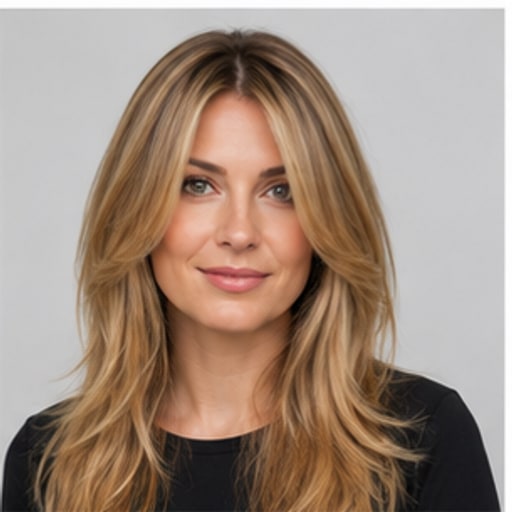
| Layered | Layers distribute volume at different heights for movement and a more distinctive outline. For graduation day, this structure directly supports “Clear face framing on stage and in photos.” After a realistic rehearsal, use “Easy recovery after removing headwear” to decide whether it remains a practical option. | The reference shows a direction only; adapt the hold to real texture, density and setting rules. Layers must suit real density; excessive removal can leave the ends thin or hard to contain. | Try it |
|---|