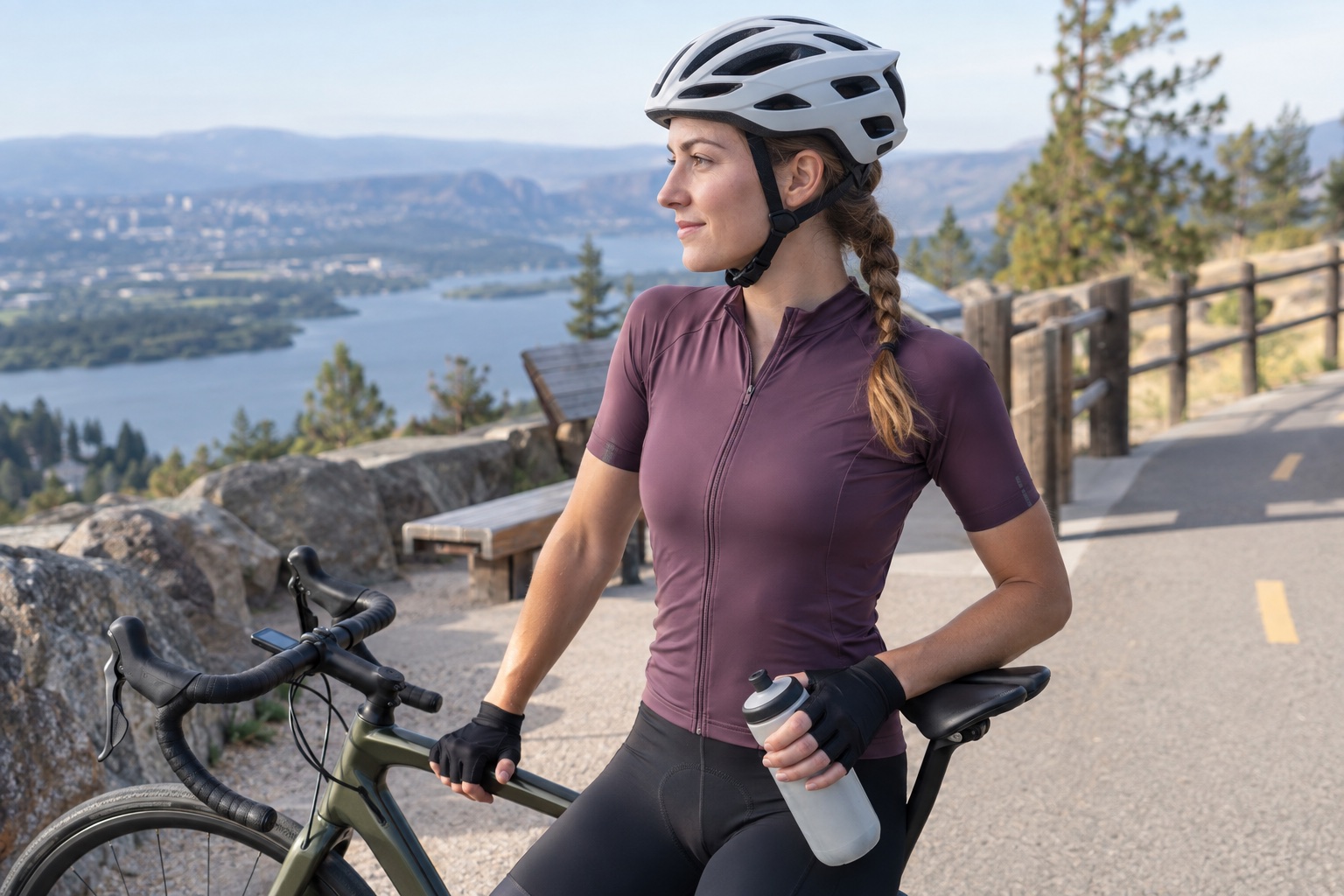
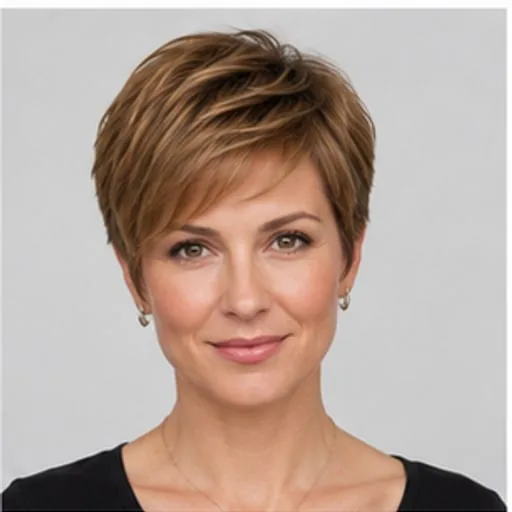
| Pixie Cut | The short perimeter opens the face and ears while retaining controlled texture on top. For cycling, confirm that it can genuinely support “Create a low profile with no pressure point under headwear.” | Test with the actual equipment for fit and pressure points; pins, buns or volume must not interfere with correct protective fit. Short layers depend on the cut, cowlicks and hairline, which a reference image cannot predict. | Try it |
|---|
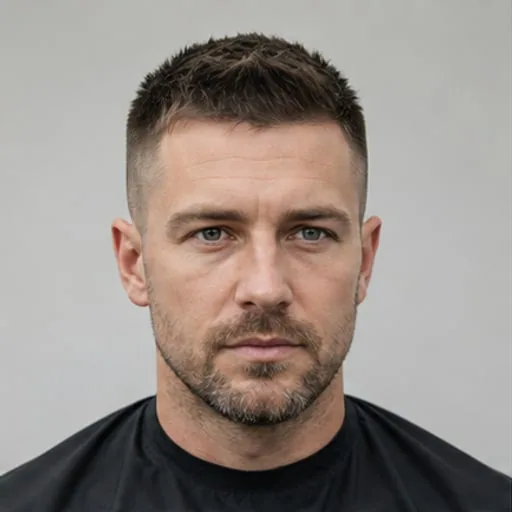
| Crew Cut | Short sides with a slightly longer top keep a clear outline with a small amount of controllable texture. For cycling, confirm that it can genuinely support “Keep the protective equipment correctly fitted.” | Test with the actual equipment for fit and pressure points; pins, buns or volume must not interfere with correct protective fit. The outline changes quickly as the top grows, so it needs more shaping than an even buzz cut. | Try it |
|---|
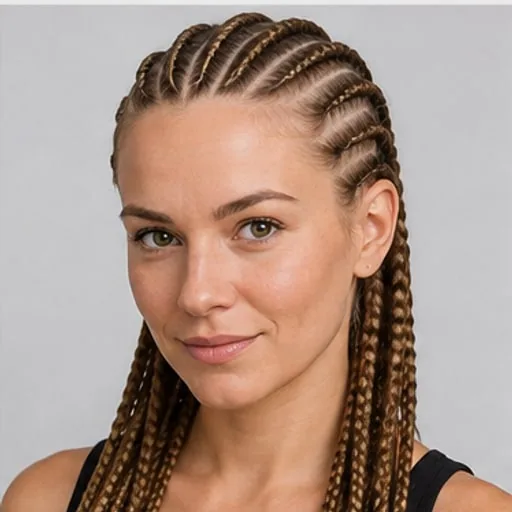
| Cornrows | Close-to-scalp braided rows limit strand movement and create a stable outline. For cycling, confirm that it can genuinely support “Recover cleanly after the equipment is removed.” | Test with the actual equipment for fit and pressure points; pins, buns or volume must not interfere with correct protective fit. Close braiding should not rely on excessive tension; loosen it if pulling persists. | Try it |
|---|
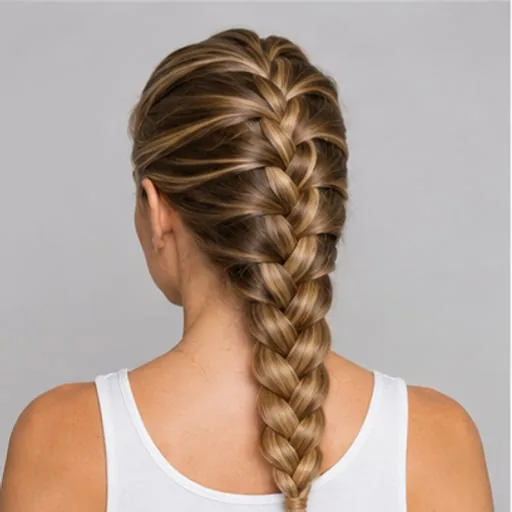
| French Braid | A French braid adds outer sections into a centered path for close, continuous control. For cycling, confirm that it can genuinely support “Create a low profile with no pressure point under headwear.” | Test with the actual equipment for fit and pressure points; pins, buns or volume must not interfere with correct protective fit. The transition to a free braid near the nape can loosen first, so check that junction separately. | Try it |
|---|
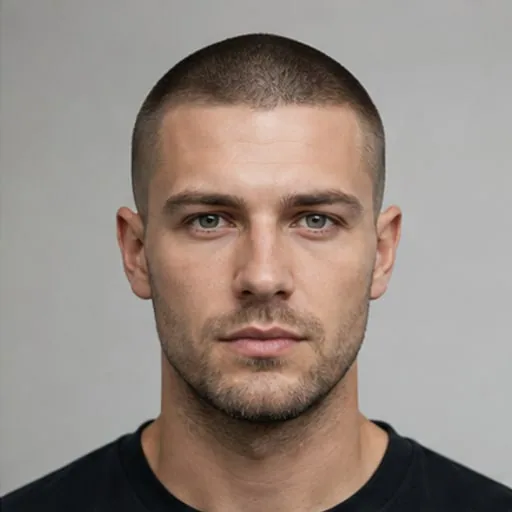
| Buzz Cut | Very short, even length stays out of the sightline and makes washing and resetting straightforward. For cycling, confirm that it can genuinely support “Keep the protective equipment correctly fitted.” | Test with the actual equipment for fit and pressure points; pins, buns or volume must not interfere with correct protective fit. Very short length exposes more scalp, making sun, temperature and trim regrowth more noticeable. | Try it |
|---|
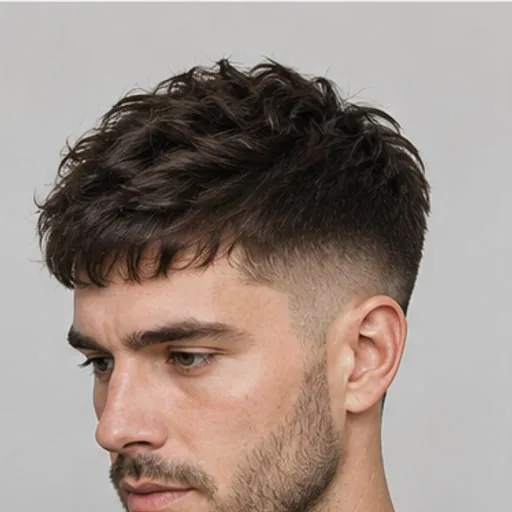
| Textured Crop | A short textured crop clears the ears and neckline while retaining direction through the top. For cycling, confirm that it can genuinely support “Recover cleanly after the equipment is removed.” | Test with the actual equipment for fit and pressure points; pins, buns or volume must not interfere with correct protective fit. Front texture can drop with sweat or humidity, so test whether it enters the sightline. | Try it |
|---|
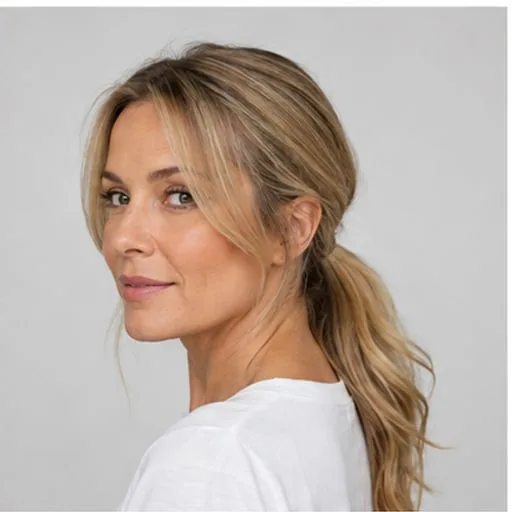
| Low Ponytail | A low gathered shape clears the face and neck without a high pressure point. For cycling, confirm that it can genuinely support “Create a low profile with no pressure point under headwear.” | Test with the actual equipment for fit and pressure points; pins, buns or volume must not interfere with correct protective fit. A low tie can rub against a high collar, chair or headrest, so test its placement. | Try it |
|---|
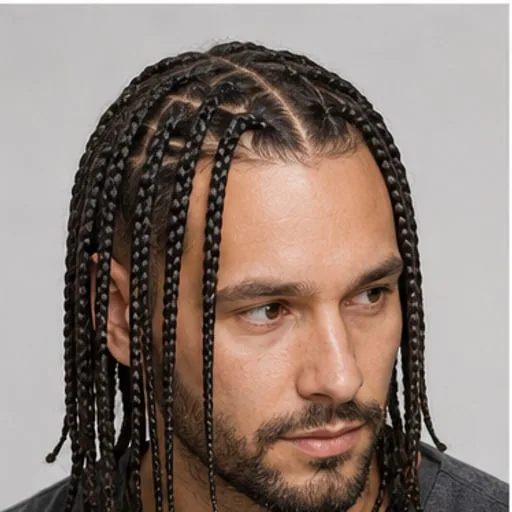
| Box Braids | Individually sectioned braids keep a defined direction and reduce daily restyling. For cycling, confirm that it can genuinely support “Keep the protective equipment correctly fitted.” | Test with the actual equipment for fit and pressure points; pins, buns or volume must not interfere with correct protective fit. Long braids add weight and drying time, so confirm that the scalp remains comfortable. | Try it |
|---|