Best Hairstyle for a Job Interview

Compare clean, confident hairstyles that keep your face visible and still feel like you throughout the interview.

Find your hairstyle
30-second decision brief

First decide whether the style really fits a job interview

A strong interview style should look intentional without making you monitor your hair throughout the conversation. Start with a clear face frame, then test comfort and fit with the actual interview format.

Best for

People preparing for an in-person or video interview who want a polished version of their usual style.
Preparation time

10–25 minutes, plus one complete rehearsal with the interview outfit

Expected hold

Long enough for travel, waiting time and the full interview without frequent touch-ups

Useful tools

Brush or comb, light styling product, pins or a soft tie when needed

Three decision criteria

  1. Clear face framing for conversation
  2. Comfort without repeated adjustment
  3. A finish appropriate to the role and workplace

Rule out these problems first

  • Do not hide your face or choose a shape that distracts you during conversation.
  • Avoid an unfamiliar last-minute cut or chemical service before the interview.
  • Do not copy a narrow stereotype of professionalism; account for the role's real safety and dress requirements.

Explore the actual hairstyles

Compare the shape, occasions and upkeep, then preview a look on your own photo.

AI hairstyle illustrations, not customer photos. Try-on results vary with your photo and hair.
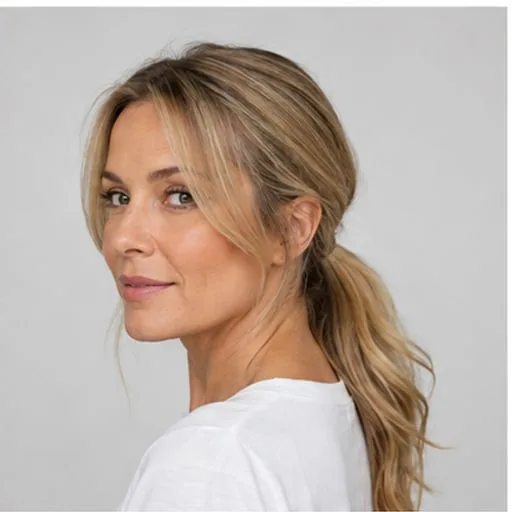
Low Ponytail — Longer lengths leave room for movement and layers around the face and ends.

Low Ponytail

Longer lengths leave room for movement and layers around the face and ends.

Why it fits
A useful option when “A finish appropriate to the role and workplace” is one of your main decision criteria.
Where to wear it
Workdays, casual outings, dates and portraits; wearing it up or down changes the formality. For a job interview, check it specifically against “A finish appropriate to the role and workplace.”
Upkeep
Care for the ends and style layers for your natural texture. Longer hair still needs trims. Before a job interview, test the complete style with the intended outfit and accessories.
Watch out for
Do not copy a narrow stereotype of professionalism; account for the role's real safety and dress requirements.
Try this hairstyle
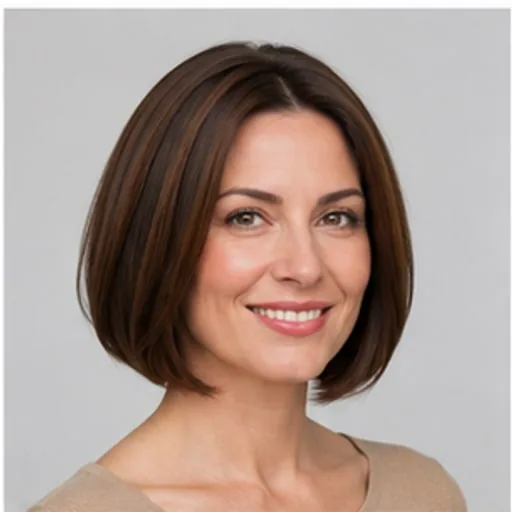
Bob — A compact outline sits between the jaw and collarbone, emphasizing the ends and face framing.

Bob

A compact outline sits between the jaw and collarbone, emphasizing the ends and face framing.

Why it fits
A useful option when “Comfort without repeated adjustment” is one of your main decision criteria.
Where to wear it
Workdays, dates and everyday portraits, styled smooth or with texture. For a job interview, check it specifically against “Comfort without repeated adjustment.”
Upkeep
Trim the outline regularly and shape the face-framing sections while drying. Before a job interview, test the complete style with the intended outfit and accessories.
Watch out for
Avoid an unfamiliar last-minute cut or chemical service before the interview.
Try this hairstyle
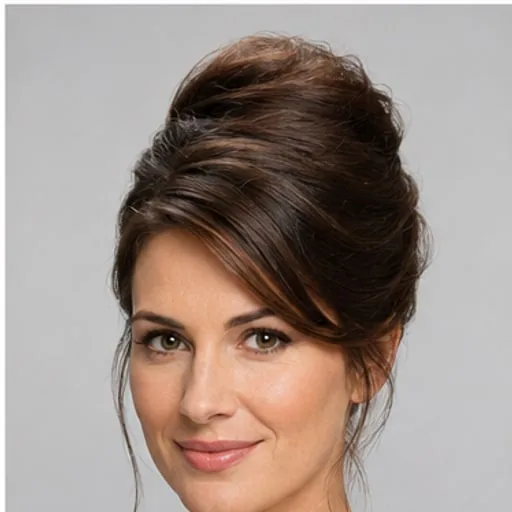
French Twist Updo — Hair is gathered up or back; compare crown volume, placement and loose face-framing pieces.

French Twist Updo

Hair is gathered up or back; compare crown volume, placement and loose face-framing pieces.

Why it fits
A useful option when “Comfort without repeated adjustment” is one of your main decision criteria.
Where to wear it
Weddings, dinners and formal events, or a relaxed everyday finish with loose pieces. For a job interview, check it specifically against “Comfort without repeated adjustment.”
Upkeep
Pin the weight securely without pulling the hairline, and test the hold before long events. Before a job interview, test the complete style with the intended outfit and accessories.
Watch out for
Avoid an unfamiliar last-minute cut or chemical service before the interview.
Try this hairstyle
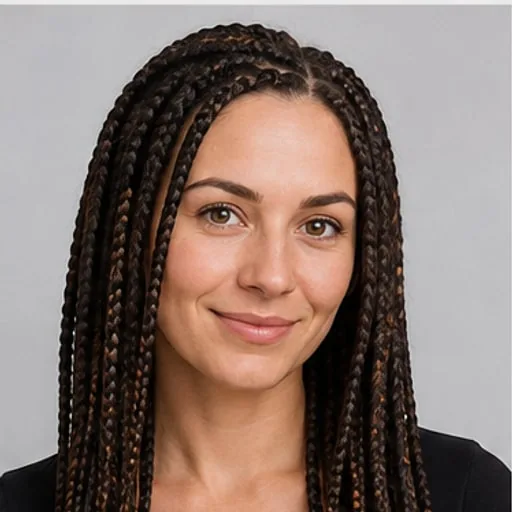
Box Braids — Parting, braid direction and thickness define the outline and face framing.

Box Braids

Parting, braid direction and thickness define the outline and face framing.

Why it fits
A useful option when “Clear face framing for conversation” is one of your main decision criteria.
Where to wear it
Trips, social events, dance and photos; wear time depends on the technique and scalp comfort. For a job interview, check it specifically against “Clear face framing for conversation.”
Upkeep
Avoid excessive tension and keep the scalp clean. Complex braids benefit from an experienced stylist. Before a job interview, test the complete style with the intended outfit and accessories.
Watch out for
Do not hide your face or choose a shape that distracts you during conversation.
Try this hairstyle
Side-Parted — Longer lengths leave room for movement and layers around the face and ends.

Side-Parted

Longer lengths leave room for movement and layers around the face and ends.

Why it fits
A useful option when “A finish appropriate to the role and workplace” is one of your main decision criteria.
Where to wear it
Workdays, casual outings, dates and portraits; wearing it up or down changes the formality. For a job interview, check it specifically against “A finish appropriate to the role and workplace.”
Upkeep
Care for the ends and style layers for your natural texture. Longer hair still needs trims. Before a job interview, test the complete style with the intended outfit and accessories.
Watch out for
Do not copy a narrow stereotype of professionalism; account for the role's real safety and dress requirements.
Try this hairstyle
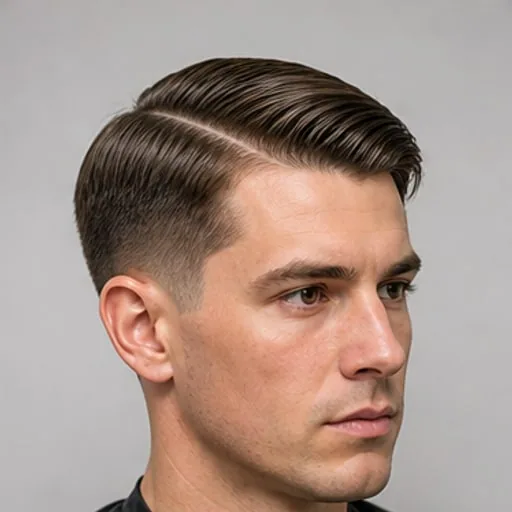
Ivy League — Short lengths make the crown texture, hairline and side profile more visible.

Ivy League

Short lengths make the crown texture, hairline and side profile more visible.

Why it fits
A useful option when “A finish appropriate to the role and workplace” is one of your main decision criteria.
Where to wear it
Everyday activities and neat professional looks; dramatic height suits casual events. For a job interview, check it specifically against “A finish appropriate to the role and workplace.”
Upkeep
Schedule regular trims and use a small amount of styling product for definition. Before a job interview, test the complete style with the intended outfit and accessories.
Watch out for
Do not copy a narrow stereotype of professionalism; account for the role's real safety and dress requirements.
Try this hairstyle
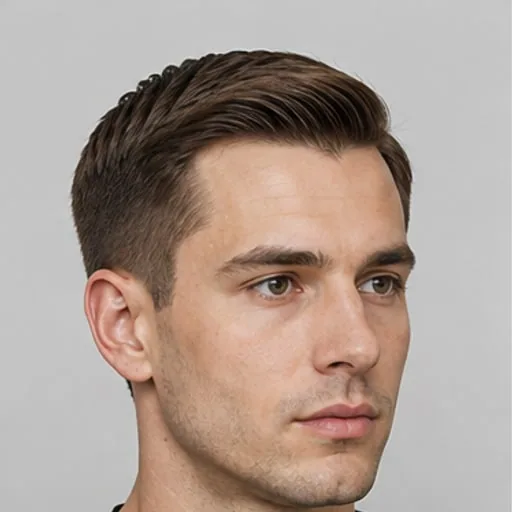
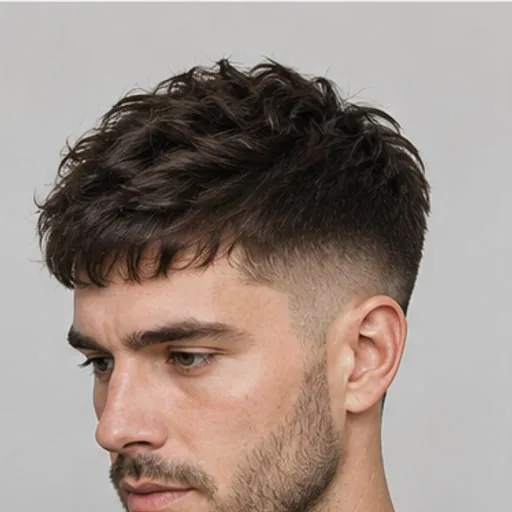
Textured Crop — Short lengths make the crown texture, hairline and side profile more visible.

Textured Crop

Short lengths make the crown texture, hairline and side profile more visible.

Why it fits
A useful option when “Comfort without repeated adjustment” is one of your main decision criteria.
Where to wear it
Everyday activities and neat professional looks; dramatic height suits casual events. For a job interview, check it specifically against “Comfort without repeated adjustment.”
Upkeep
Schedule regular trims and use a small amount of styling product for definition. Before a job interview, test the complete style with the intended outfit and accessories.
Watch out for
Avoid an unfamiliar last-minute cut or chemical service before the interview.
Try this hairstyle
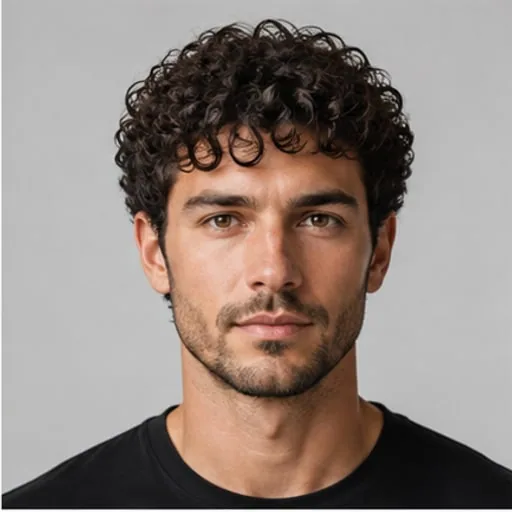
Curly — Curls and waves add dimension, particularly around the cheeks and ends.

Curly

Curls and waves add dimension, particularly around the cheeks and ends.

Why it fits
A useful option when “A finish appropriate to the role and workplace” is one of your main decision criteria.
Where to wear it
Dates, social events and portraits; pinning back the front gives a tidier finish. For a job interview, check it specifically against “A finish appropriate to the role and workplace.”
Upkeep
Match products to your texture and avoid dry brushing. Discuss chemical treatments with a stylist. Before a job interview, test the complete style with the intended outfit and accessories.
Watch out for
Do not copy a narrow stereotype of professionalism; account for the role's real safety and dress requirements.
Try this hairstyle
Quick comparison

Compare 8 directions for a job interview

Filter by scene fit and realistic upkeep before trying a look; the first reference image should not make the decision for you.

StyleWhy consider itReal-world trade-offAction
Low PonytailA useful option when “A finish appropriate to the role and workplace” is one of your main decision criteria.Do not copy a narrow stereotype of professionalism; account for the role's real safety and dress requirements.Try it
BobA useful option when “Comfort without repeated adjustment” is one of your main decision criteria.Avoid an unfamiliar last-minute cut or chemical service before the interview.Try it
French Twist UpdoA useful option when “Comfort without repeated adjustment” is one of your main decision criteria.Avoid an unfamiliar last-minute cut or chemical service before the interview.Try it
Box BraidsA useful option when “Clear face framing for conversation” is one of your main decision criteria.Do not hide your face or choose a shape that distracts you during conversation.Try it
Side-PartedA useful option when “A finish appropriate to the role and workplace” is one of your main decision criteria.Do not copy a narrow stereotype of professionalism; account for the role's real safety and dress requirements.Try it
Ivy LeagueA useful option when “A finish appropriate to the role and workplace” is one of your main decision criteria.Do not copy a narrow stereotype of professionalism; account for the role's real safety and dress requirements.Try it
Textured CropA useful option when “Comfort without repeated adjustment” is one of your main decision criteria.Avoid an unfamiliar last-minute cut or chemical service before the interview.Try it
CurlyA useful option when “A finish appropriate to the role and workplace” is one of your main decision criteria.Do not copy a narrow stereotype of professionalism; account for the role's real safety and dress requirements.Try it
Why it helps

What to prioritize for a job interview

The goal is not one universal professional hairstyle, but a deliberate look that suits the role, workplace and your routine.

01Keep your face visible

Choose controlled face framing for conversation and eye contact.

02Stay comfortable

Avoid a new style that needs constant checking or adjustment.

03Match the workplace

Use the interview format and company culture as context, not a stereotype.

How it works

Turn inspiration into an interview-ready reference

Compare a few realistic directions on the same clear photo before deciding.

01Start with the interview setting

Consider video versus in-person, the role and the likely dress code.

02Compare two or three shapes

Check face framing, crown volume and how the style reads at conversational distance.

03Practice the full look

Try the hairstyle with your interview outfit before the day itself.

FAQ

Job interview hairstyle questions

Choose a prepared version of yourself rather than trying to fit one narrow image of professionalism.

Should I cut my hair before an interview?

Only if you already want the change. A tidy, intentional version of your current hair is usually a safer choice than an unfamiliar last-minute cut.

Are curls, braids, locs or long hair suitable for interviews?

Yes. Professional appearance is not limited to one texture or length. Prioritize comfort, a deliberate finish and any genuine safety requirements of the role.

Can an AI preview guarantee the real result?

No. It is a visual planning tool; texture, density, current length and styling technique still affect the real result.

Start with one photo

See the interview hairstyle on yourself first

Upload one clear photo and compare polished directions before the interview day.

Start hairstyle preview