Choose the next move
A low-contrast destination may tolerate a subtle edge better than a dark poster. If the subject needs large-scale placement, resolve the edge before making the layout.

Backgrounds and cutouts
Judge the hair edge at normal size before zooming in. A believable soft transition matters more than trying to keep every isolated strand at the cost of a visible halo.
You choose your own source and review the current cost before generation.
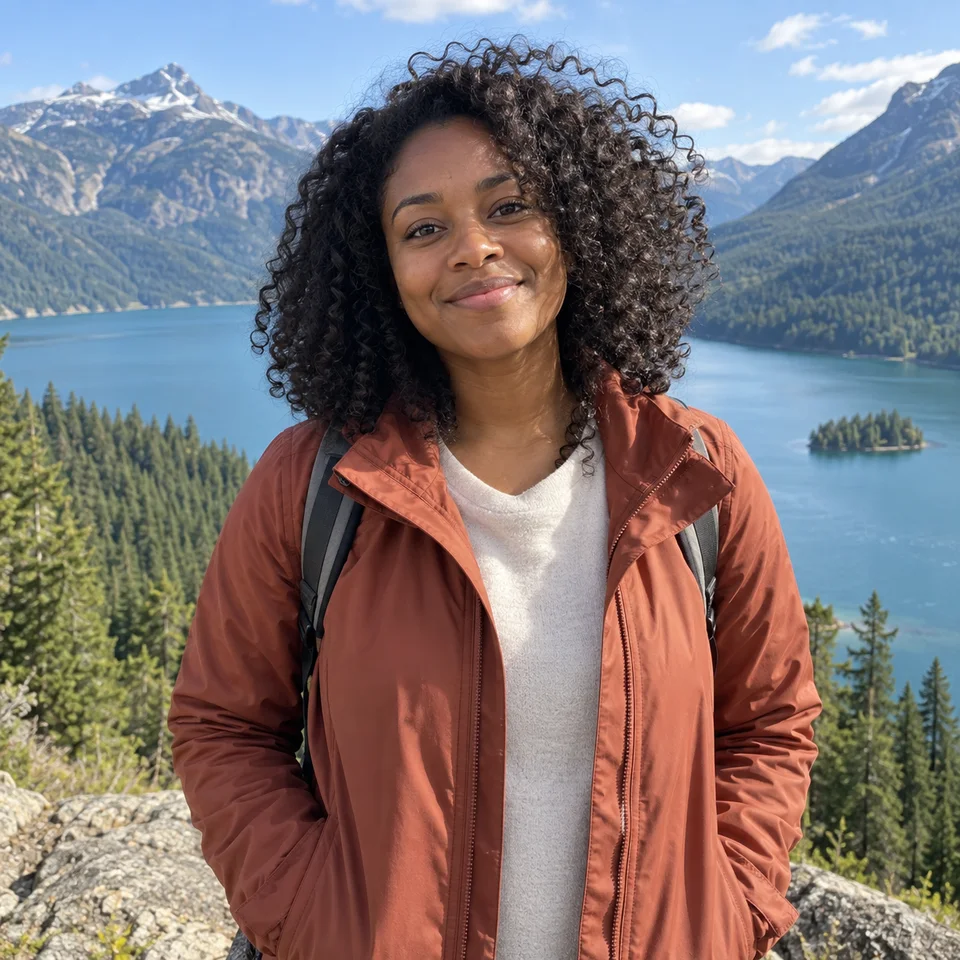
Compare the overall hairstyle silhouette before judging individual strands. If the head shape changes, choose a clearer source. A few simplified hairs are less consequential than a visibly smaller hairstyle or a hard helmet-shaped border.
Use a source with contrast behind the hair. If the original merges dark hair into darkness, another photograph is often the cleaner solution.
A low-contrast destination may tolerate a subtle edge better than a dark poster. If the subject needs large-scale placement, resolve the edge before making the layout.
Inspect the original, transparent cutout and dark-background study side by side. Look for a smooth helmet edge, leftover background color or missing strands. Then return to the intended display size; prioritize a believable overall silhouette without pretending every strand survived.
Keep a full-resolution source with hair separated from the background. Identify loose strands and any gap beside the neck.
Why consider this directionThe source is the reference for facial appearance and for how hair, ears and shoulders meet the background.
Check before choosingSeparate an unwanted setting from a source-quality problem. Editing the room does not verify hidden eyes or missing facial detail.
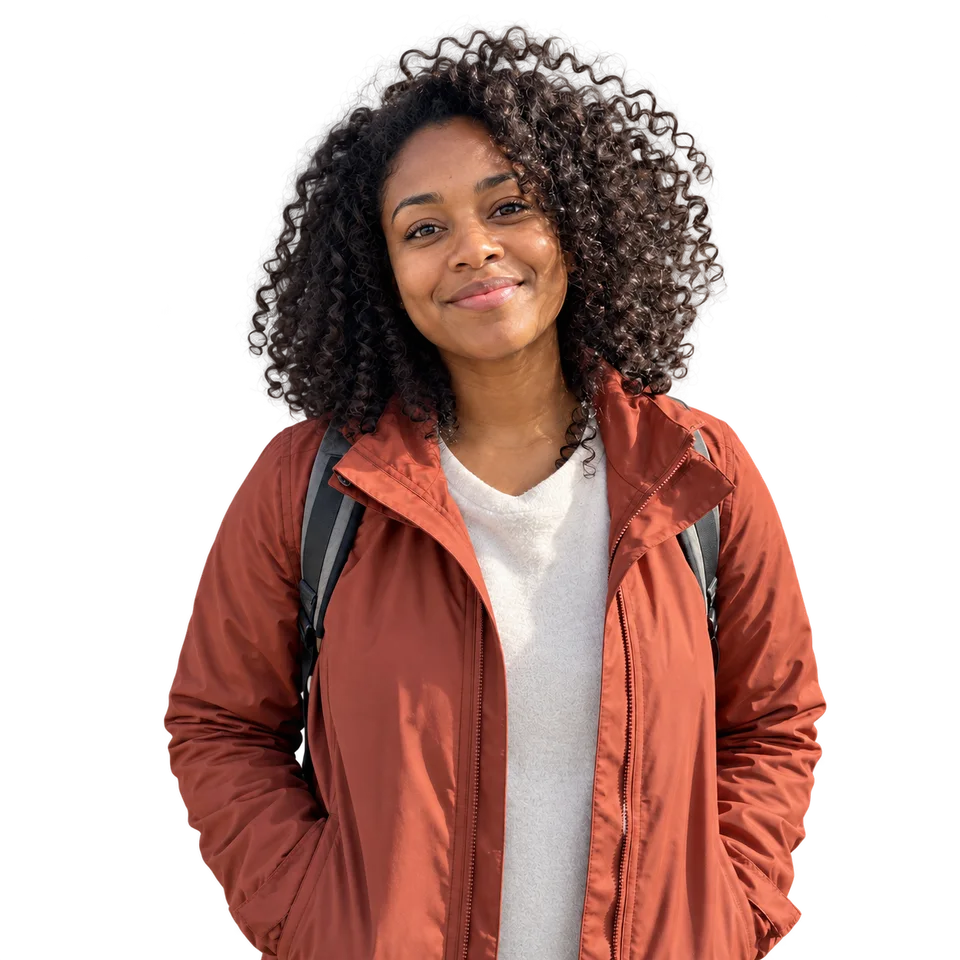
Why consider this directionThe isolated portrait is useful for testing page colors while keeping one face and expression as the comparison anchor.
Check before choosingInspect hair, ear contours and shoulders on a contrasting background, then return to the intended avatar size.
Why consider this directionA contrasting dark field makes pale edge residue and missing fine details easier to spot.
Check before choosingInspect hair, ear contours and shoulders on a contrasting background, then return to the intended avatar size.
Check a light and a dark preview rather than judging on the checkerboard alone. Look behind the ears and where hair overlaps clothing. Preserve a believable outline instead of expecting every isolated strand to survive perfectly.
Edit my photo background ↗It may remove the affected area, but it can also enlarge the remaining edge and make the problem more obvious. Judge the final composition honestly. If the portrait no longer suits the layout, improve the source instead of repeatedly cropping away the hairstyle.
Content reviewed: