Have these ready
Write the world’s geography, climate and one architectural rule. Choose the human or character scale you want to imply.

Design and illustration
Describe terrain, weather, time of day and a single focal landmark. These choices give a fictional place more coherence than a long list of spectacle.
You choose your own source and review the current cost before generation.
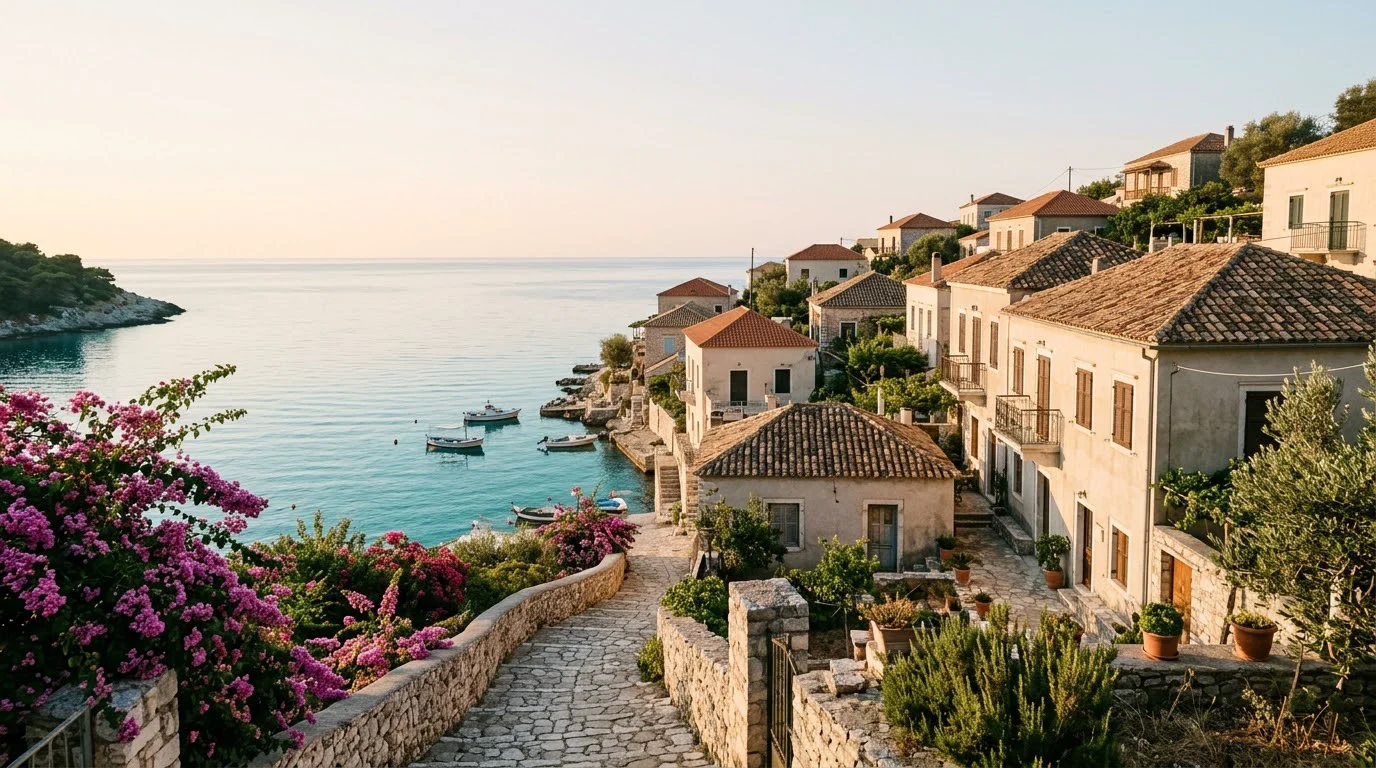
Use a consistent horizon and light direction when making several views. The illustration suggests a setting; it is not a navigable map or a verified architectural plan.
Write three rules for the world and check every image against them. Remove beautiful details that contradict those rules.
Open my creative starting point ↗Write the world’s geography, climate and one architectural rule. Choose the human or character scale you want to imply.
Generate a broad establishing view, then compare terrain, water flow and building scale against your world notes. Keep one approved map or landmark sketch beside later scenes. If a striking new feature contradicts the story’s travel or climate rules, revise it before it becomes the visual reference.
Use invention deliberately, not randomly. A coherent world can contain unusual physics if those rules remain understandable across the project.
Why consider this directionThe travel-style composition can suggest an editorial atmosphere and a focal region beside a heading.
Check before choosingVerify any detail your caption treats as a real place. Attractive scenery can combine invented landmarks and should not define factual travel guidance.
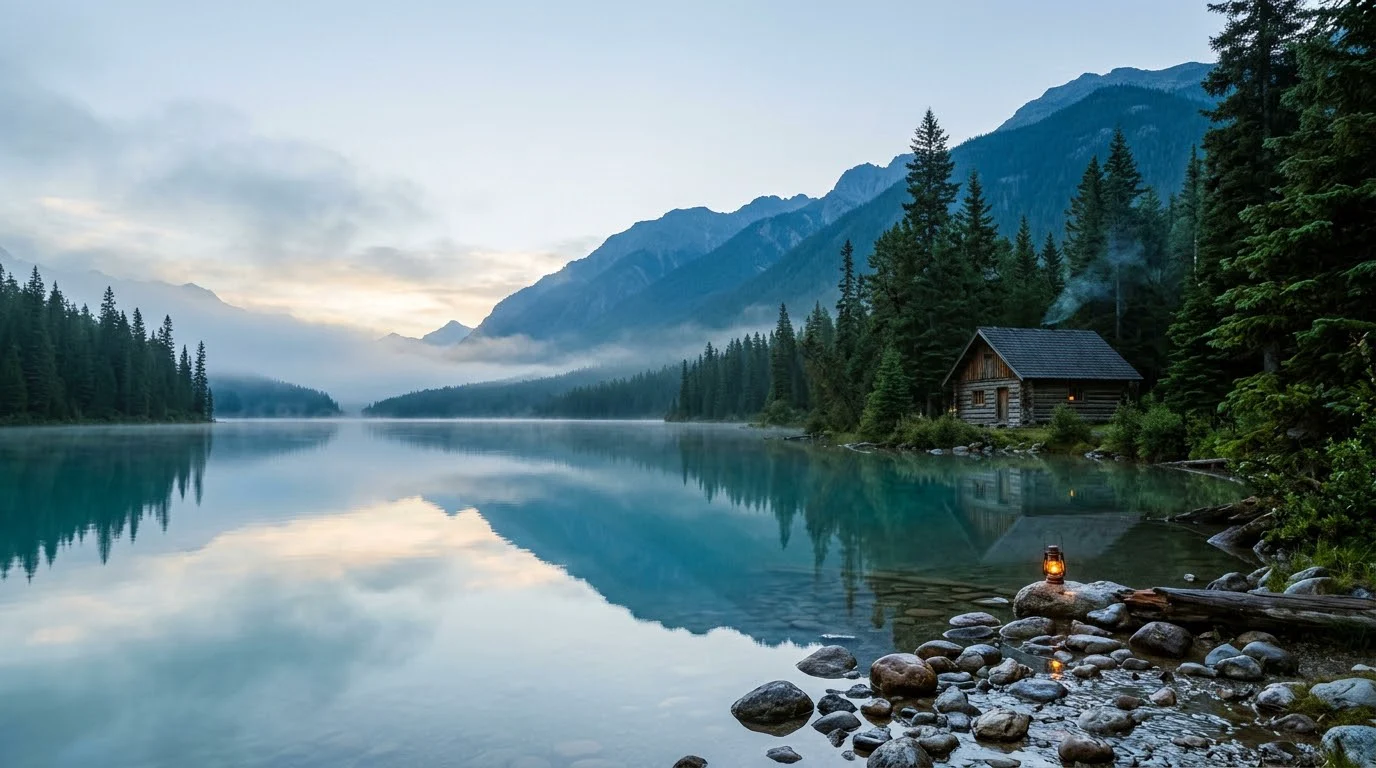
Why consider this directionThe imagined landscape provides broad shapes and open areas for considering a cover, banner or background composition.
Check before choosingPlace the actual text over the image and test alternative crops. It is an illustration, not evidence of a real destination or geography.
No. Choose a visual language that supports the story, then keep scale, lighting and landmark relationships internally consistent. Realism and coherence are different goals; a painterly world can be coherent while a photographic-looking one can contradict itself.
Content reviewed: