Have these ready
Collect clear views of the same SKU and packaging version. Exclude screenshots with overlays or contradictory variants.

Product visual briefs
Photograph the whole product with readable edges and even light. Remove visual clutter before adding creative instructions, and make clear which uploaded image is the product reference.
You choose your own source and review the current cost before generation.
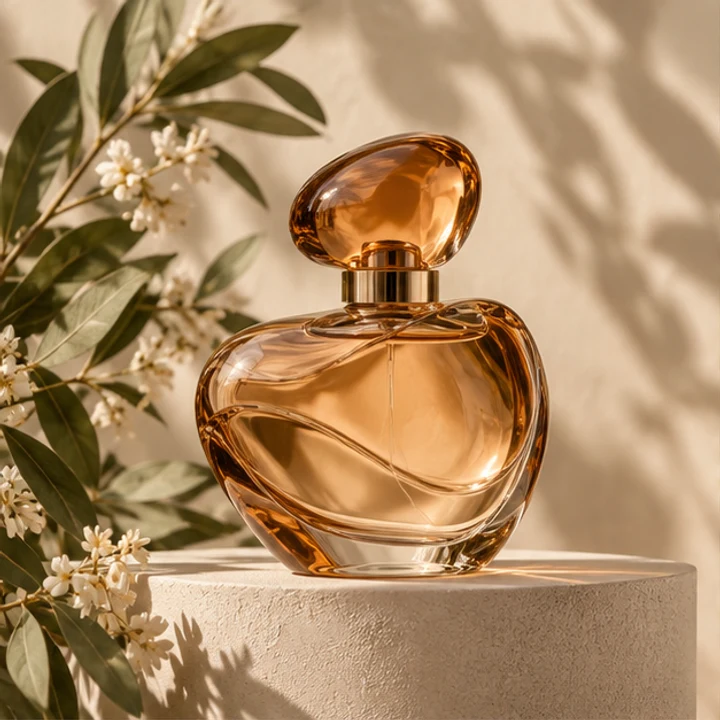
Keep source and result side by side. Check handles, caps and seams; the model may make plausible changes that are still wrong for your item.
Photograph the full item on a quiet background with the important label facing the camera. Include no hands unless they are needed to explain use. Keep another reference angle for your own result review, even if you submit only one image.
Open my creative starting point ↗Collect clear views of the same SKU and packaging version. Exclude screenshots with overlays or contradictory variants.
Choose the view that best explains the main silhouette as the starting reference. Add another only if it supplies a hidden feature you need. Write the object’s non-negotiable facts separately from background, lighting and styling choices, then inspect those facts first in the result.
A clean reference reduces ambiguity but does not guarantee exact copying. If the item has crucial hidden structure, photograph it rather than expecting the model to infer it.
Why consider this directionA simple bottle reference helps separate product identity from new decisions about the surrounding scene.
Check before choosingCompare silhouette, cap and base before decorative light. This example is not evidence of your own SKU or packaging accuracy.
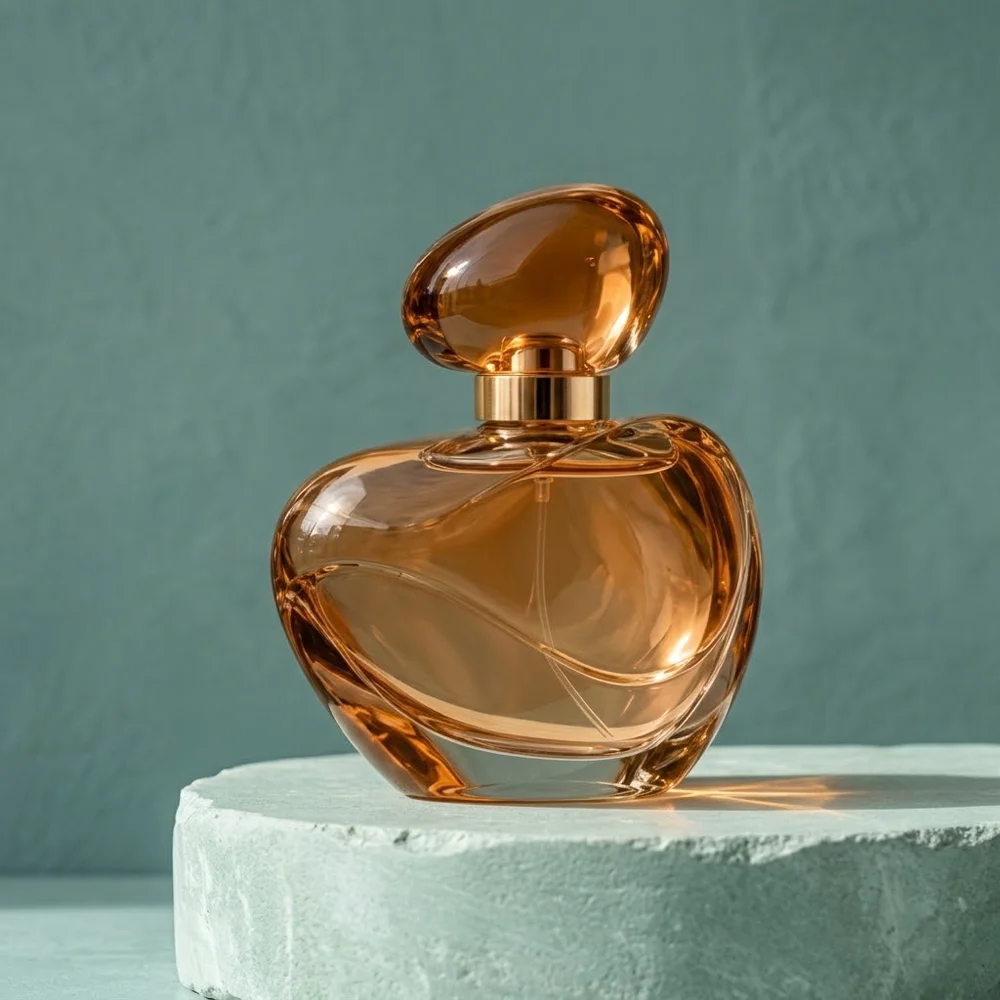
Why consider this directionThe styled product scene can help you consider a supporting surface, negative space and a restrained lighting direction.
Check before choosingCheck contact and the object’s shape separately from the setting. An earlier example does not establish a general quality ranking between models.
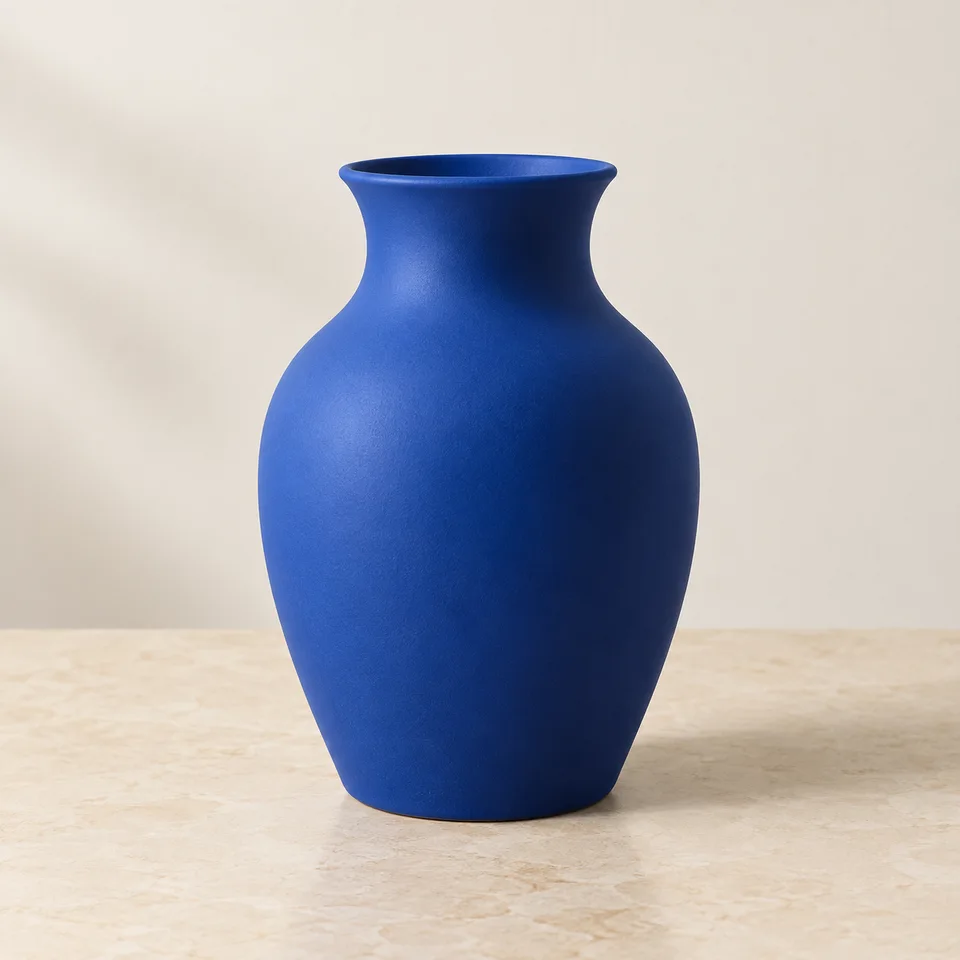
Why consider this directionThe source shows the vessel against its surroundings, so you can distinguish ceramic reflections from background areas.
Check before choosingFollow the rim, outer curve and base before examining the cutout. A pale highlight can belong to the object.
Only for clearly labeled concept exploration. A similar bottle or vessel can guide a mood but cannot verify the real item’s shape or label. For sales imagery, use the actual product and check every commercially relevant detail.
Content reviewed: