Have these ready
Prepare the book’s genre, synopsis and title length. Get the printer or publisher’s actual cover template before final delivery.

Design and illustration
Choose an image concept that still reads as a thumbnail. Reserve a calm area for the title and author name before adding detail to the scene.
You choose your own source and review the current cost before generation.
This creates cover artwork, not a finished print-ready wrap. Spine, bleed and typography need the printer's specifications and a layout editor.
Mock up the title over the proposed artwork before generating many variations. Leave a quiet title area and inspect the thumbnail beside other books in the same category. Final cover dimensions, spine and bleed come from the printer's specification.
Open my creative starting point ↗Prepare the book’s genre, synopsis and title length. Get the printer or publisher’s actual cover template before final delivery.
Use the cover-art direction to create an image with a quiet title region. Add the longest title in a layout editor and inspect the cover as a store thumbnail. Then check the full cover template, including spine and back, rather than stretching the front artwork across everything.
Use atmosphere to support genre without giving away an unwanted plot detail. If a specific real setting matters, use authorized references and review invented details.
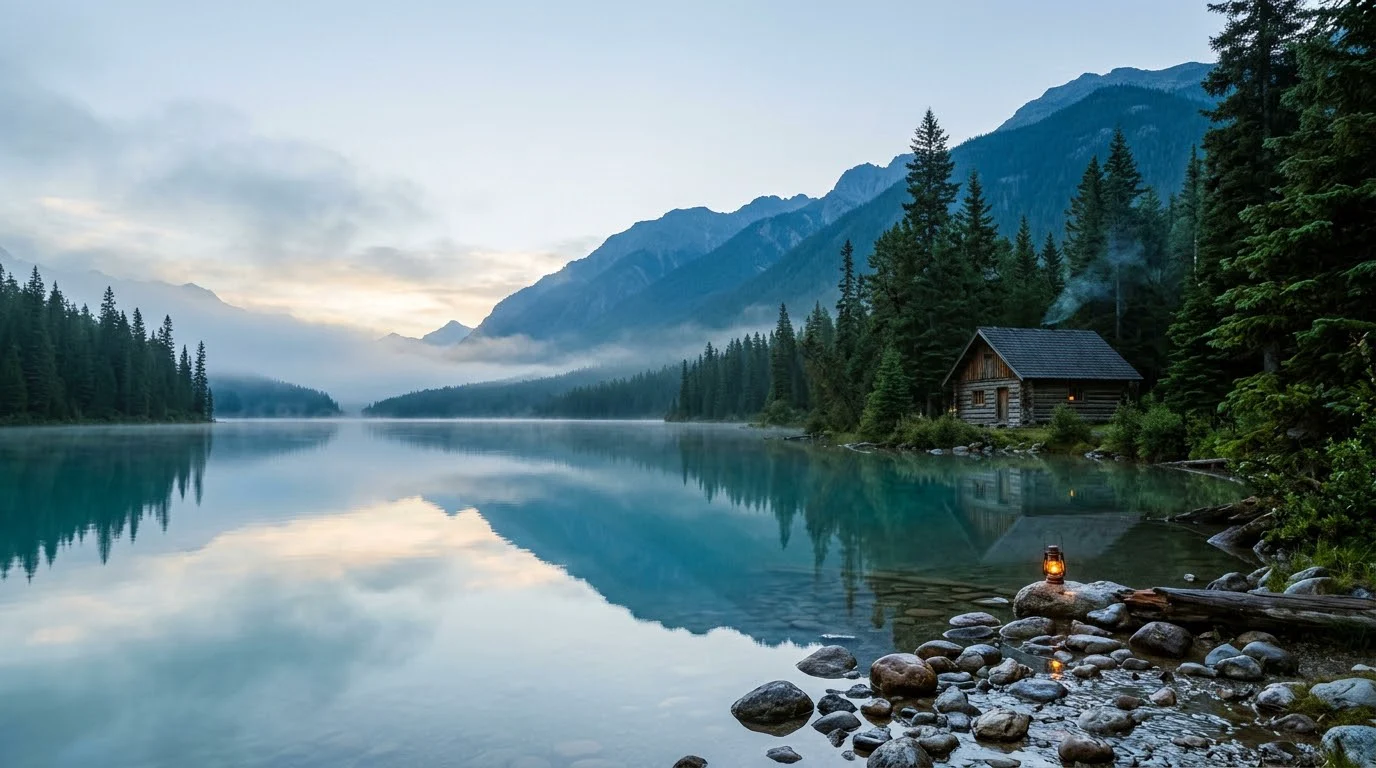
Why consider this directionThe imagined landscape provides broad shapes and open areas for considering a cover, banner or background composition.
Check before choosingPlace the actual text over the image and test alternative crops. It is an illustration, not evidence of a real destination or geography.
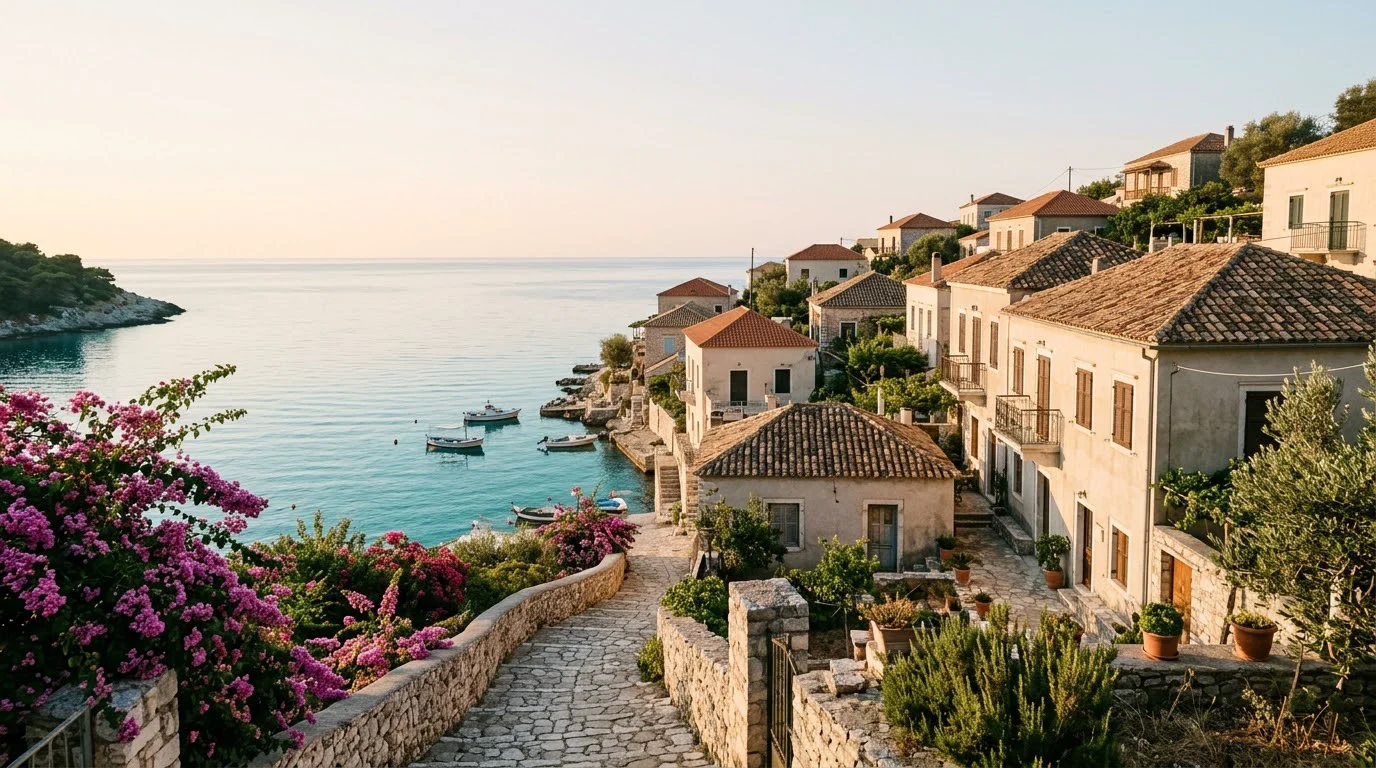
Why consider this directionThe travel-style composition can suggest an editorial atmosphere and a focal region beside a heading.
Check before choosingVerify any detail your caption treats as a real place. Attractive scenery can combine invented landmarks and should not define factual travel guidance.
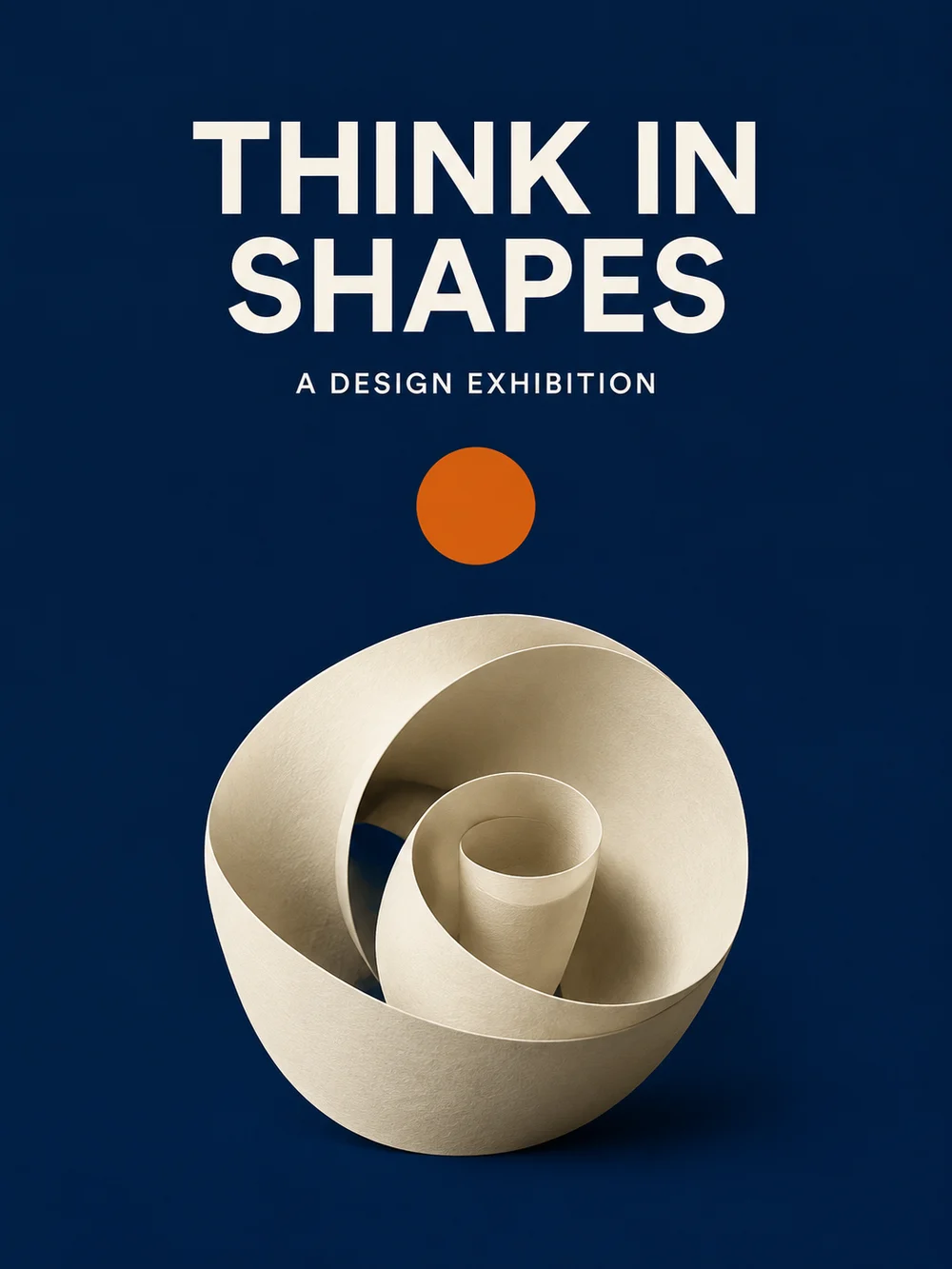
Why consider this directionThis poster direction can be compared with quieter or more image-led layouts before choosing a final communication style.
Check before choosingTest the headline, dates and supporting information at the size readers will actually see. Do not reuse fictional event details as real copy.
It is artwork for the cover. Final files also need correct dimensions, bleed, spine width, text and any publisher-required codes. Complete those in a layout workflow and inspect a proof; the generator does not calculate the physical book specification for you.
Content reviewed: