Best Hairstyles for Round Faces: 6 Practical Directions

The visible length and width are similar, with fuller cheeks and a softer jawline. Try vertical movement, controlled side width, airy layers, or an off-center part.

Find your hairstyleTry on my photo ↗
30-second decision brief

Which hairstyles suit Round face?

A round face does not need to be hidden or made to resemble another shape. Use this as a starting direction: Try vertical movement, controlled side width, airy layers, or an off-center part Then narrow the choice by real hairline, texture, and daily styling time.

How to identify it

The visible length and width are similar, with fuller cheeks and a softer jawline.
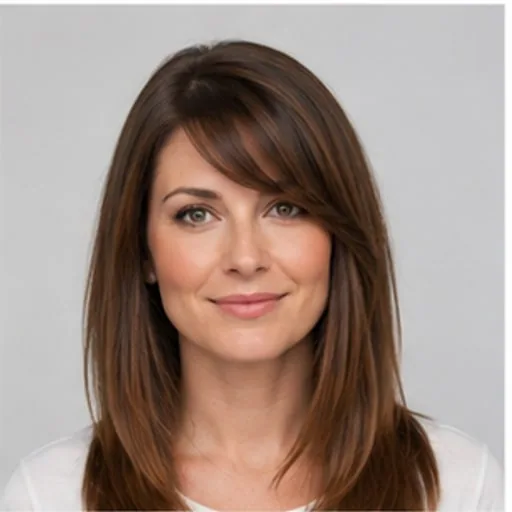
Strength to highlight

Keeps the natural softness of the cheeks visible instead of hiding the face.

Balancing goal

Adds diagonal or vertical movement while controlling width at the cheek line.

Outline comparison

What the six common face shapes roughly look like

A proportion guide, not an exact measurement standard.

CurrentRound
Oval
Square
Heart
Long
Diamond
This page's identification clue: The visible length and width are similar, with fuller cheeks and a softer jawline.

Check these three points

  1. Check whether the natural hairline, current length, and usual part can support the silhouette.
  2. Notice where the fullest volume, perimeter endpoint, and fringe opening actually sit.
  3. Include trim frequency, styling time, and weather response instead of judging the reference image alone.

Do not treat face shape as a rule

  • Avoid assuming every rounded face needs height; keep the result proportional to your features.
  • Many people sit between two face-shape descriptions; compare the nearest two when forehead, cheek, and jaw proportions do not fit one label cleanly.
  • An AI preview compares directions rather than guaranteeing a haircut; final length, layers, and weight removal should be confirmed with a stylist using the real hair.
Not sure of your face shape, or between two shapes?

Upload one clear front-facing photo so smart design can consider face shape, hairline, texture, and current length together.

Analyze my photo

Explore the actual hairstyles

Compare the structural reason, fit conditions, and real trade-off for each style before previewing a direction on your photo.

AI hairstyle illustrations, not customer photos. Try-on results vary with your photo and hair.
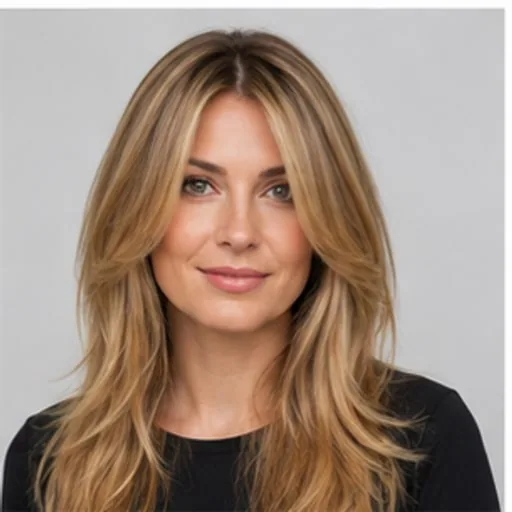
Layered — Longer lengths leave room for movement and layers around the face and ends.

Layered

Longer lengths leave room for movement and layers around the face and ends.

Why it fits
Graduated layers place movement below and above the widest cheek area.
Best for
Existing medium-to-long hair with enough texture or styling time to keep layers distinct
Upkeep
Care for the ends and style layers for your natural texture. Longer hair still needs trims.
Watch out for
Layers cut too high can widen the sides; fine hair should start with fewer, longer layers
Try this hairstyle
Side-Swept Bangs — Fringe length, parting and density change how much of the forehead is visible.

Side-Swept Bangs

Fringe length, parting and density change how much of the forehead is visible.

Why it fits
A side-swept fringe opens part of the forehead and creates a useful diagonal.
Best for
Someone willing to trim a fringe regularly and test a lower-commitment face-frame change
Upkeep
Fringes often need separate drying and frequent trims. Consider cowlicks and oiliness.
Watch out for
Oily roots or a strong cowlick can change how the fringe falls, so test its natural direction first
Try this hairstyle
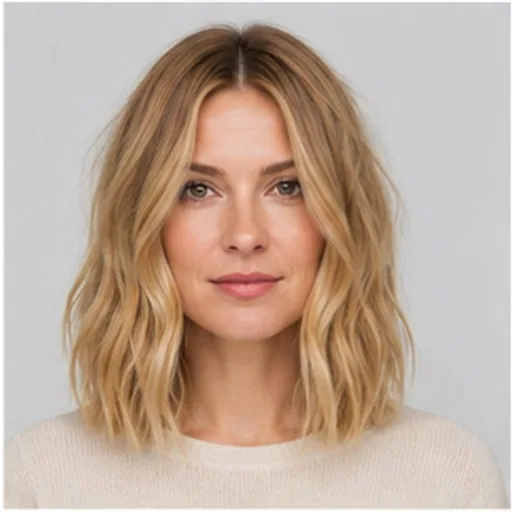
Soft Waves — Curls and waves add dimension, particularly around the cheeks and ends.

Soft Waves

Curls and waves add dimension, particularly around the cheeks and ends.

Why it fits
Soft waves add lengthwise movement when their fullest point sits away from the cheeks.
Best for
Natural waves or people willing to style gentle bends instead of making a major length change
Upkeep
Match products to your texture and avoid dry brushing. Discuss chemical treatments with a stylist.
Watch out for
If the fullest wave sits exactly at the widest facial point, it can create the opposite effect
Try this hairstyle
Lob — A compact outline sits between the jaw and collarbone, emphasizing the ends and face framing.

Lob

A compact outline sits between the jaw and collarbone, emphasizing the ends and face framing.

Why it fits
A collarbone lob creates a vertical perimeter without clinging to the cheek line.
Best for
People who want a clear perimeter while retaining enough length to tie the hair back
Upkeep
Trim the outline regularly and shape the face-framing sections while drying.
Watch out for
A heavy blunt perimeter can widen its endpoint, so dense hair may need internal weight removal
Try this hairstyle
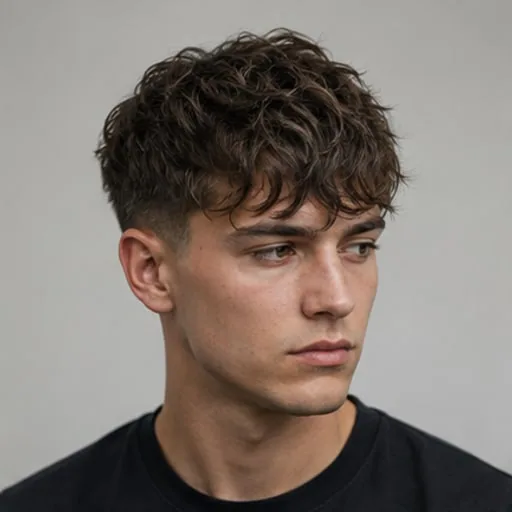
Textured Comma — Fringe length, parting and density change how much of the forehead is visible.

Textured Comma

Fringe length, parting and density change how much of the forehead is visible.

Why it fits
An off-center comma fringe adds height and an angled opening without heavy side volume.
Best for
Short-to-medium top length with enough flexibility for an off-center, lightly textured fringe
Upkeep
Fringes often need separate drying and frequent trims. Consider cowlicks and oiliness.
Watch out for
The curve usually needs blow-drying, and the hairline or a strong cowlick can limit placement
Try this hairstyle
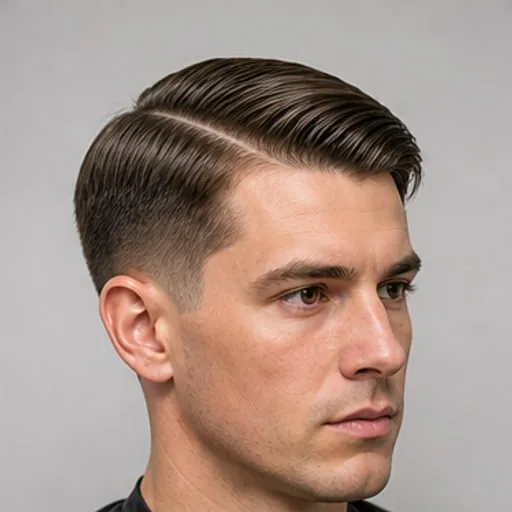
Side-Parted — Longer lengths leave room for movement and layers around the face and ends.

Side-Parted

Longer lengths leave room for movement and layers around the face and ends.

Why it fits
A clean side part shifts the center line while the controlled sides keep the face open.
Best for
People seeking a professional, lower-risk shape that can be reset quickly each day
Upkeep
Care for the ends and style layers for your natural texture. Longer hair still needs trims.
Watch out for
A rigid part can look flat, so crown and side volume should be adjusted to real density
Try this hairstyle
Why it helps

What to compare before choosing

Look beyond the haircut name. Face framing depends on silhouette, parting, volume, and where the ends sit.

01Face openness

Check whether the fringe and sides frame your face without hiding it.

02Volume placement

Compare how much volume sits at the crown, cheeks, and jaw.

03Real upkeep

Make sure your current length, texture, and routine can support the look.

FAQ

Round face hairstyle questions

Does a round face require one specific hair length?

No. Length is only one variable; layers, fringe, parting, volume, and real texture all affect the result.

Do I need to hide my face-shape features?

No. The goal is intentional framing, not hiding your natural outline.

How can I compare the result before a haircut?

Preview two or three directions on the same clear front-facing photo, then bring the most useful references to your stylist.

Start with one photo

Preview the direction on your own photo

Use one clear photo to compare a realistic direction before changing your hair.

Start try-on